

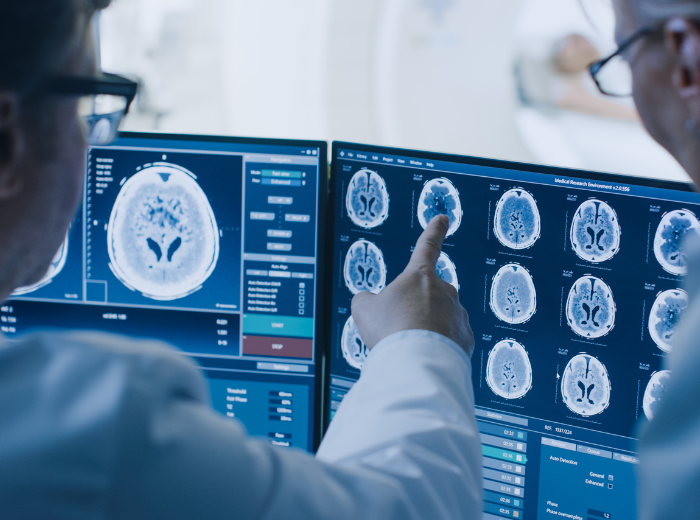
Death is the one experience every human being shares, yet it remains the greatest mystery of all. For centuries, people have described a strange phenomenon in the moments closest to dying:
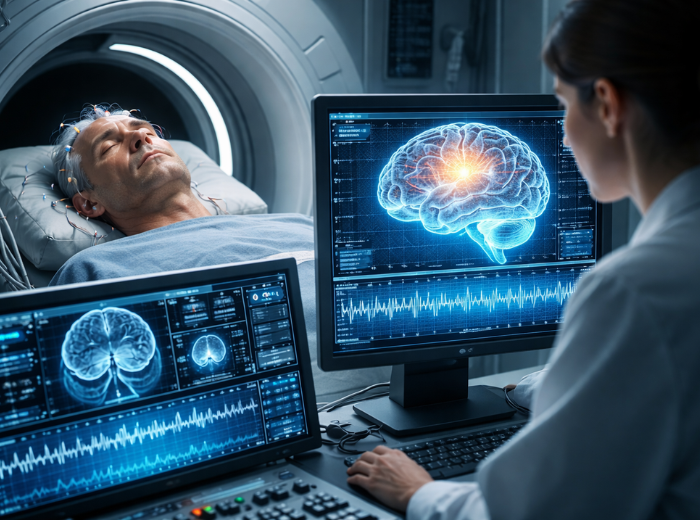
A flash of memories, a tunnel of light or a feeling of peace. But when a man unexpectedly died during a brain scan, doctors were presented with something incredibly rare, real-time data of brain activity at the very edge of life.
Credit: iStock
Credit: iStock
Key Takeaways
- Research suggests heightened brain activity may occur near death, particularly in areas associated with memory.
- One theory proposes the “life flash” is the brain’s last survival mechanism, scanning past experiences for guidance.
- Near-death experiences vary dramatically, peaceful lights for some, memory flashes for others.
- Spiritual beliefs shape interpretation, especially in traditions centered around resurrection narratives like that of Jesus Christ.
- Skeptics argue consciousness ends with brain activity.
- Not all memories are joyful, raising complex emotional questions about the “life review.”
- Many who experienced NDEs report lasting life changes: more compassion, more authenticity, less fear.
- Grieving families often find comfort in believing their loved ones felt peace in their final moments.
What they observed suggested heightened neural activity in regions associated with memory recall.
And just like that, one of humanity’s oldest questions resurfaced:
Does your life really flash before your eyes?
The comment section quickly filled with theories, skepticism, faith, grief, and deeply personal near-death stories.
Patrick O’ Brien
I recall hearing a theory that.. The “life flashing before your eyes” at the moment of death may be the brain’s subconscious attempt to respond to an unprecedented event-death-by frantically searching for past experiences to guide action. With no direct reference for dying, the brain rapidly scans through emotionally significant memories in a last-ditch effort to find patterns, meaning, or responses (fight, flight, surrender). This high-speed internal search, driven by survival mechanisms and heightened neural activity, creates the vivid sensation of a life review.
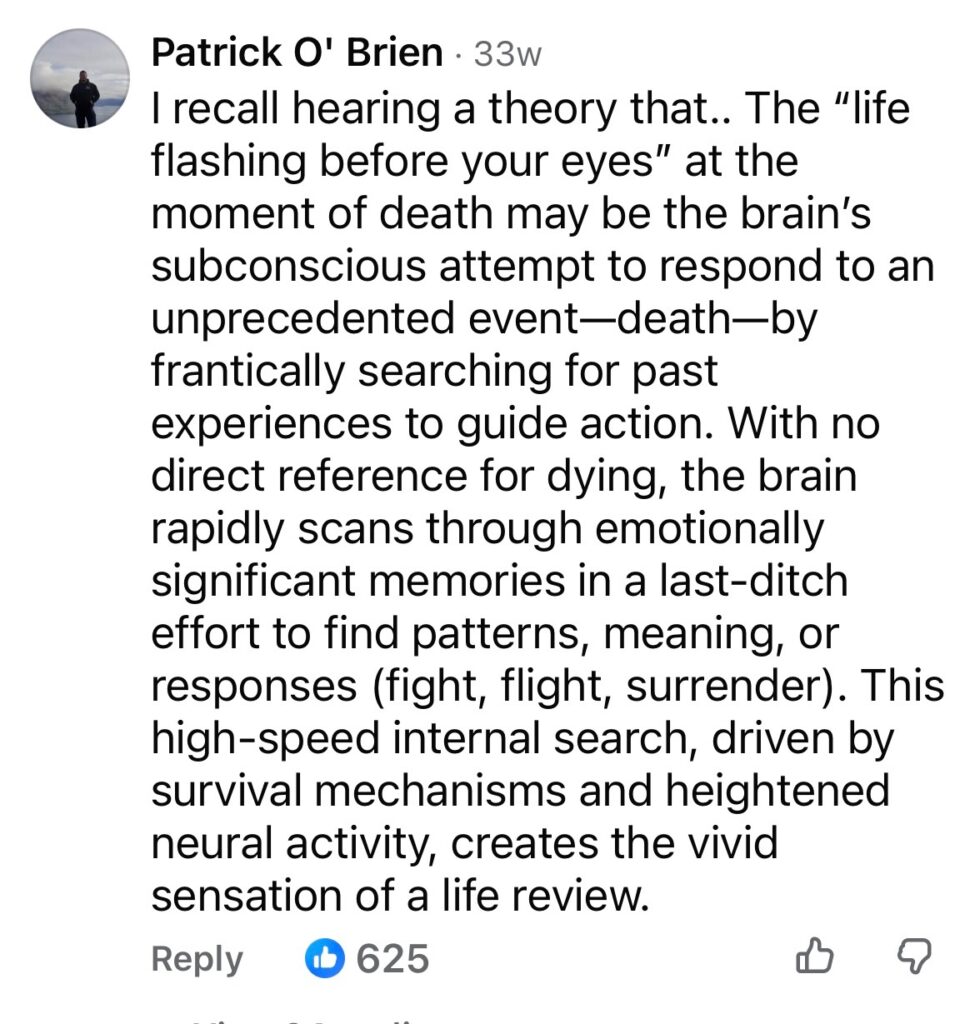
It’s a compelling explanation:
The brain, facing something it has never encountered before, searches its entire archive for answers, one last attempt to survive.
James McCrea
I think people worry too much about death and don’t give enough of a damn about doing the best they can, especially for others, while they live.
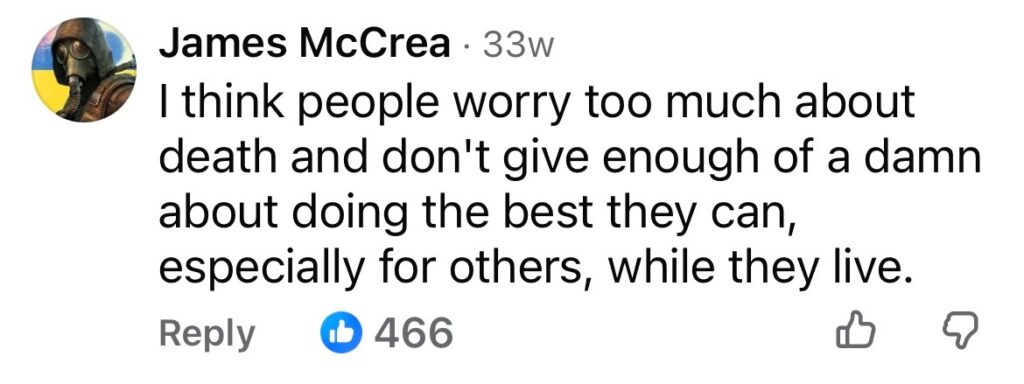
For some, the takeaway isn’t about what happens at the end.
It’s about what happens before it.
Katherine Morrow
I’m a little more concerned about why a person died during a brain scan
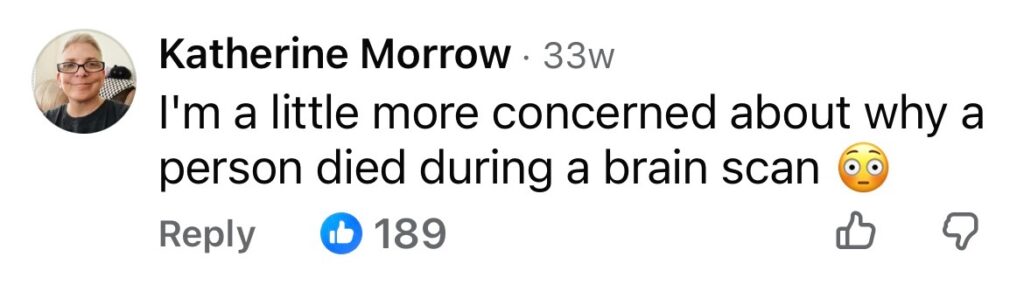
Even in profound conversations, people want clarity and accountability.
For many, near-death experiences connect to spiritual belief.
John Rallison
There are lots of NDE’s. More importantly, there was one guy who was crucified by the Romans and dead in a tomb for a couple of days and then came back. His story is documented and I think he’s worth listening to.
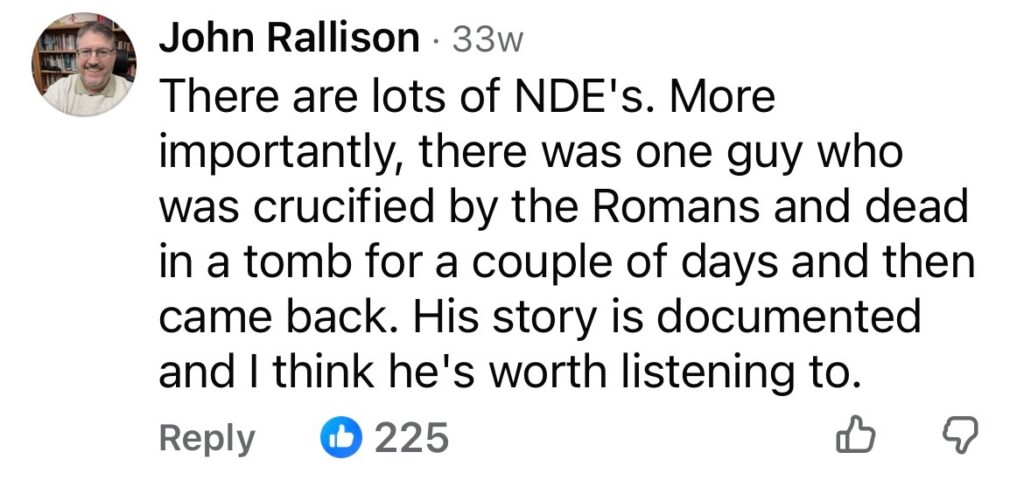
He was referring to Jesus Christ, whose resurrection story forms the foundation of Christian faith.
For believers, near-death experiences aren’t just neurological phenomena, they are spiritual confirmations.
Some commenters didn’t theorize, they remembered.
Alexis Prince Rmt Acm
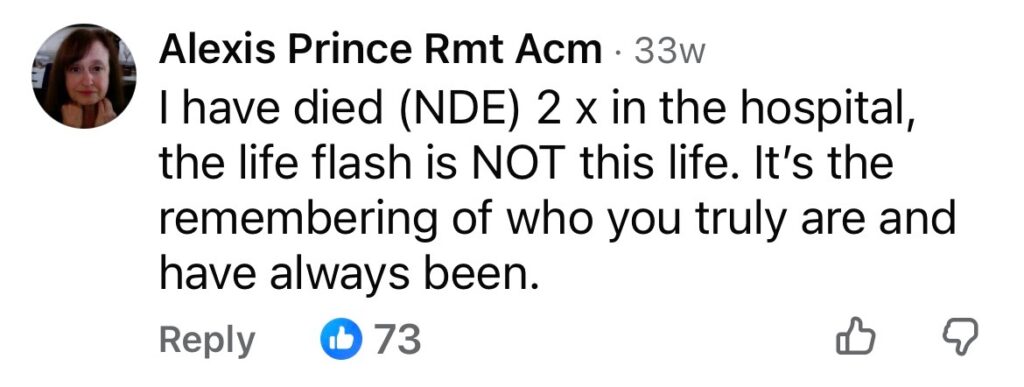
I have died (NDE) 2 x in the hospital, the life flash is NOT this life. It’s the remembering of who you truly are and have always been.
Suzie Ward
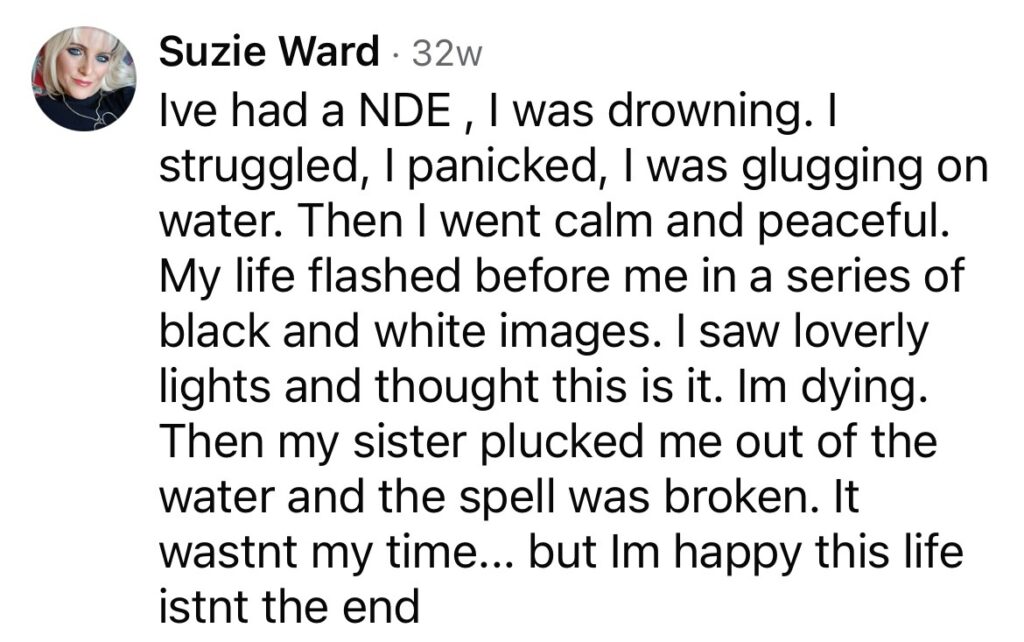
Ive had a NDE, I was drowning. I struggled, I panicked, I was glugging on water. Then I went calm and peaceful.
My life flashed before me in a series of black and white images. I saw loverly lights and thought this is it. Im dying.
Then my sister plucked me out of the water and the spell was broken. It wastnt my time… but Im happy this life istnt the end
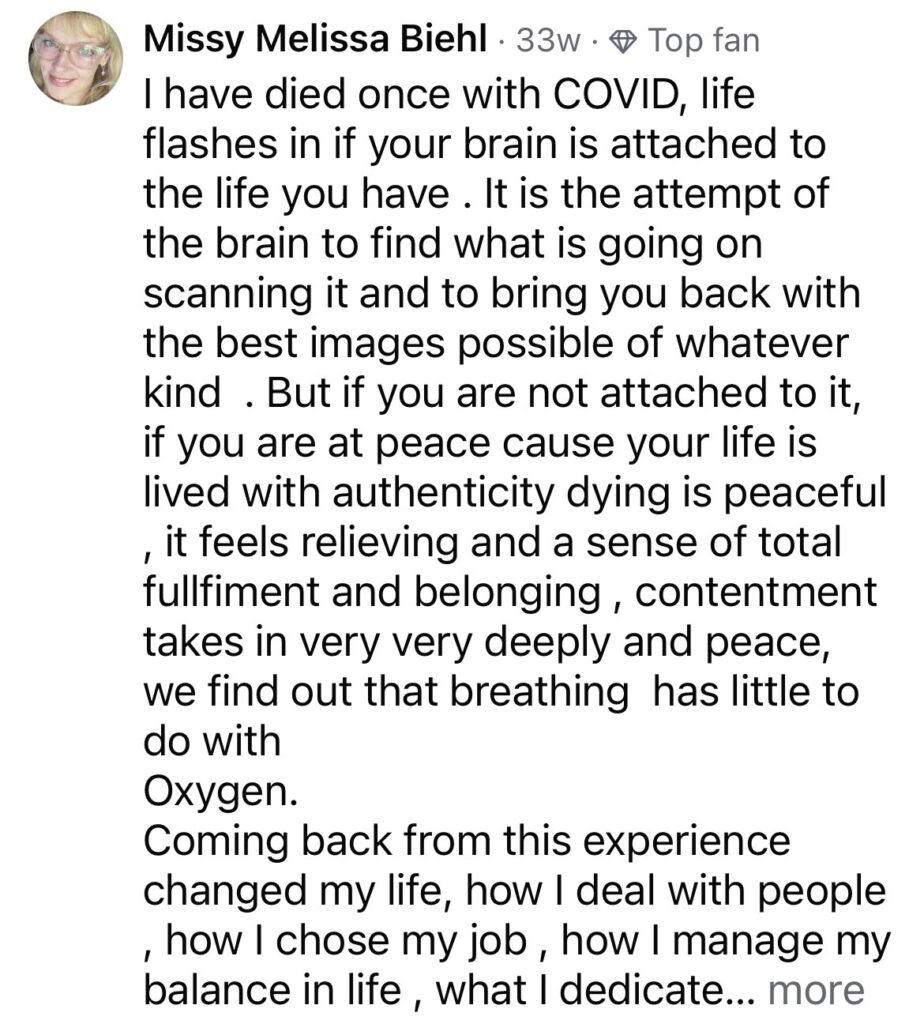
Missy Melissa Biehl
I have died once with COVID, life flashes in if your brain is attached to the life you have. It is the attempt of the brain to find what is going on scanning it and to bring you back with the best images possible of whatever kind. But if you are not attached to it, if you are at peace cause your life is lived with authenticity dying is peaceful, it feels relieving and a sense of total fulfillment and belonging, contentment takes in very very deeply and peace, we find out that breathing has little to do with Oxygen.
Coming back from this experience changed my life, how I deal with people, how I chose my job, how I manage my balance in life,
For several people, the experience didn’t make them fear death more.
It made them live differently.
Not everyone sees mystery in it.
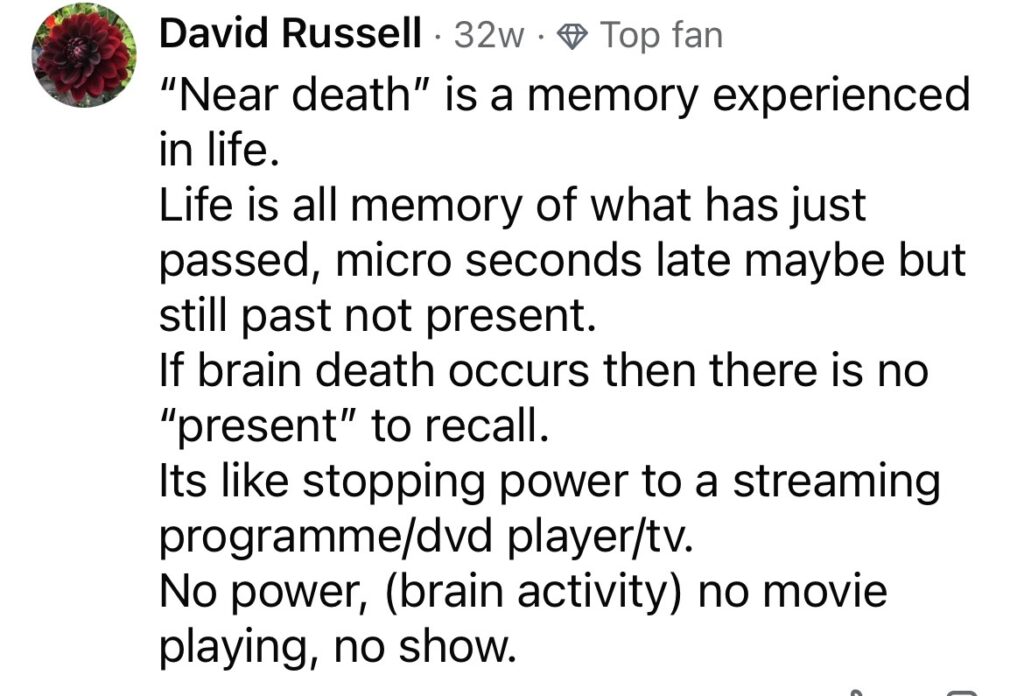
David Russell
“Near death” is a memory experienced in life.
Life is all memory of what has just passed, micro seconds late maybe but still past not present.
If brain death occurs then there is no “present” to recall.
Its like stopping power to a streaming programme/dvd player/tv.
No power, (brain activity) no movie playing, no show.
Paulina Bos
Memory retrieval activation doesn’t always mean the “best memories” will resurface.
Rebecca Carlson
But you can’t possibly know which memories are accessed and re-lived. I’ve had some truly hellish life experiences. If that’s what happens, that’s torture, not ecstasy.
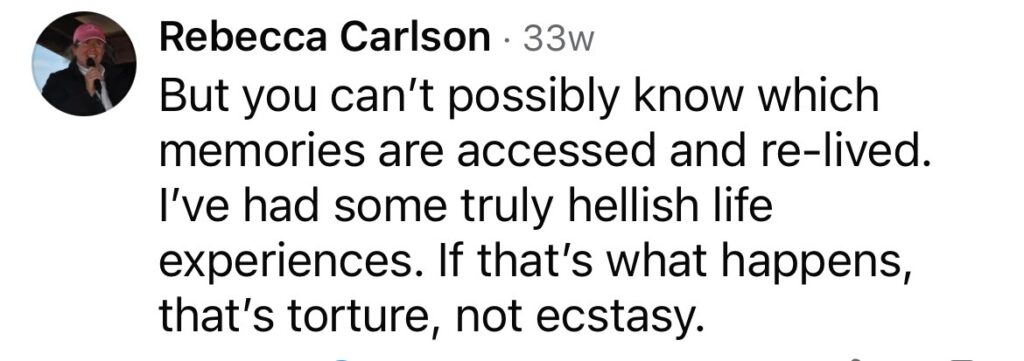
The idea of a life review isn’t comforting to everyone.
Then came the comment that stopped many readers in their tracks.
Laura Brown
My dad died two weeks ago today. I was beside him when he went. I’d like to think he was thinking about all of the good times we had as a family as he slipped away. I’m legit crying right now
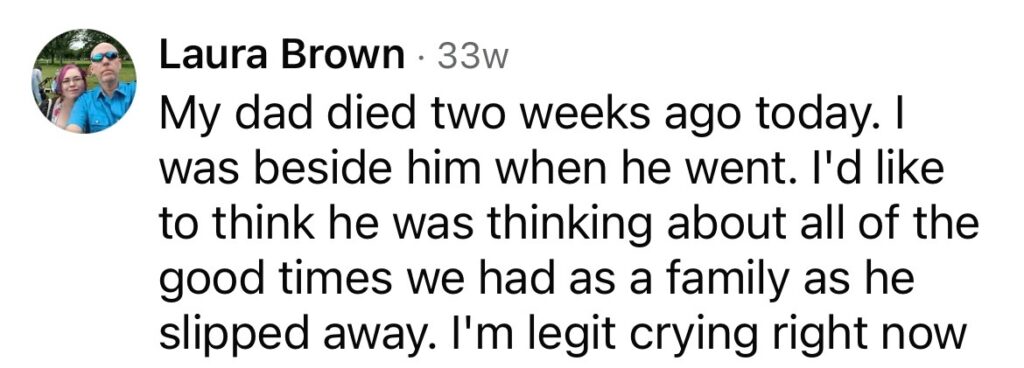
In moments like this, science steps aside.
What remains is hope.
Maybe the bigger question isn’t:
“What happens when we die?”
Maybe it’s:
What are we doing while we’re alive?
If there is a final review, neurological or spiritual, it will reflect the choices we made, the people we loved, and the kindness we gave.
And perhaps that’s the part we still have control over.
What do you believe happens in those final moments?
Have you or someone you love experienced a near-death event that changed your perspective?
If this story made you reflect on how you’re living right now, pass it along. You never know who might need the reminder to live fully today. At Simply Wholesome, we post wholesome content that makes you feel closer to life.







Leave a comment