

In 2026, a quiet shift across the United States is revealing something deeper about the economy and everyday life. Selling blood plasma, once mainly associated with students or lower-income workers, is increasingly becoming part of the financial strategy for many middle-class Americans trying to stay afloat amid rising expenses.
This isn’t just a headline, it’s a reflection of how ordinary families are adapting, finding ways to bridge the gap between what they earn and what it costs to live in today’s economy.
Credit: pixabay
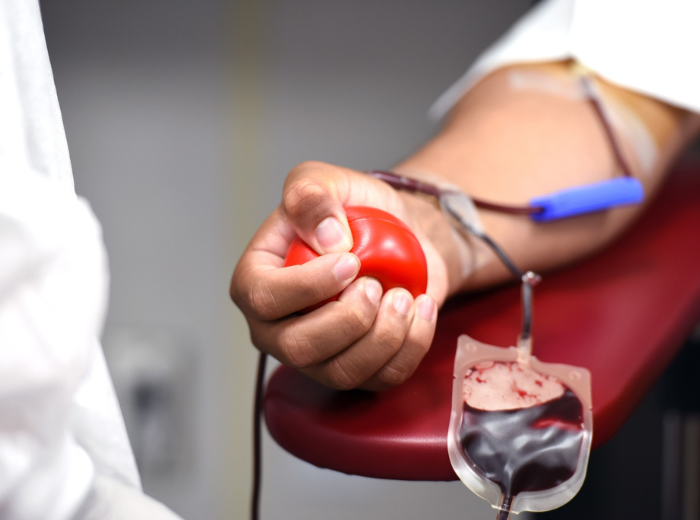
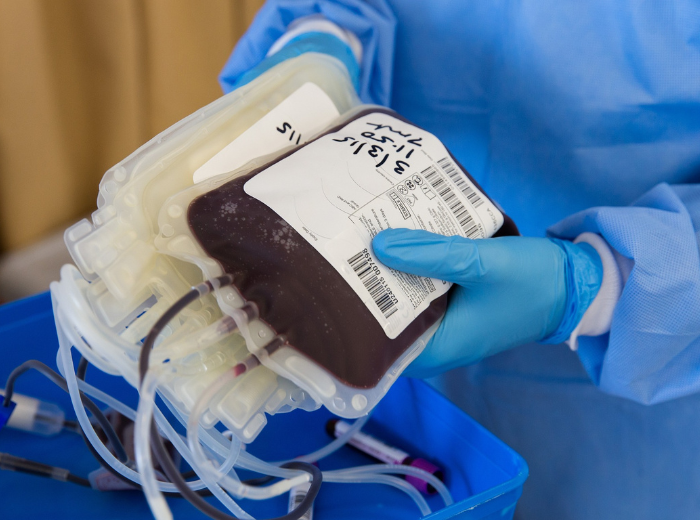
Plasma donation involves drawing blood, separating its liquid component (plasma), and returning the rest of the blood to the donor. In the U.S., donors can give plasma up to twice a week and receive payment, typically between $45 and $65 per visit, depending on location and incentives.
Key Takeaways
- Plasma donation is increasingly a financial lifeline for many middle-class households, not only for lower-income people.
- Economic pressures like inflation and housing costs are a major driver behind this trend.
- Plasma donation has tangible economic and community impacts, including potentially reducing reliance on high-cost loans.
- The U.S. plasma market is unique globally in allowing paid donation up to twice weekly, creating both supply for medical use and income for donors.
- Personal experiences vary, with many donors finding help and others facing physical or ethical concerns shared in online forums.
Here’s what’s driving the trend:
Housing Costs: Rent in many cities has skyrocketed, often taking up a large portion of take-home pay.
Stagnant Wages: For families earning between about $50,000 and $120,000 a year, income hasn’t kept pace with essentials like utilities, groceries, car payments, and healthcare.
Middle-class donors, like a couple in Idaho earning nearly $120,000, have said they began donating plasma just to cover regular bills, car repairs, or medical expenses.
Across the U.S., plasma donation has expanded into suburban communities, college towns, and rural areas, places not traditionally associated with plasma centers. Experts estimate about 200,000 Americans donate plasma daily, and in 2024 some 62.5 million liters of plasma were collected nationwide.
This isn’t just one demographic, donors now include:
- College students supplementing income
- Gig workers helping smooth irregular earnings
- Retirees and fixed-income earners making ends meet
- Middle-class parents and professionals using the extra cash for everyday needs
People who donate plasma often share complex feelings about the experience, even beyond the extra cash.
Some in online forums reflect on both the help it can bring and the strain it may carry:
- One person said they earned about $500 per month regularly donating twice a week, using the income to pay off debt and build savings.
- Another shared a more difficult experience of bruising and fainting during donation, underscoring that the process isn’t always easy.
People are trying to care for their families, stay financially resilient, and participate in something that, while hard, can be a lifeline. That reality deserves empathy.
A study found that when plasma donation centers open in a neighborhood, it can act like a cash injection into the local economy, approximately equivalent to a minimum-wage increase in terms of reducing the need for high-interest loans. It also may correlate with modest reductions in crime rates, suggesting broader community effects.
Research suggests that paid plasma centers may help reduce certain crime types over time, possibly by providing lawful income opportunities and reducing the pressure on individuals who might otherwise turn to petty crimes out of financial desperation.
Academics have long noted that U.S. markets with limited social safety nets and rising inequality can push people to unconventional income-generating activities. Plasma donation is one such example where financial necessity intersects with a vital health resource.
A broader academic analysis found that financial incentives do influence donation behaviors, especially where social norms are supportive or neutral toward the practice. Incentives don’t always work the same way in every context, but in the case of plasma donation, they help meet both donor needs and healthcare demands.
Plasma donation isn’t just about extra income for donors, it’s also crucial for helping others.
Plasma is a key ingredient in medicines used to treat serious conditions such as hemophilia, severe burns, immune system disorders, and more. It’s why the U.S. supplies a large portion (about 70 %) of the world’s plasma-derived products.
People often highlight this dual nature of plasma donation:
For the donor: A way to navigate financial pressures with dignity.
For the recipient: A life-saving resource that can make a world of difference.
Both sides, the giver and the beneficiary, tell a story of connection and shared humanity.
This story is more than an economic snapshot, it’s a human story.
It’s about parents trying to make rent, retirees trying to afford care, students balancing school and bills, and everyday people finding dignity in hard choices. It’s about how community, creativity, and compassion emerge even in challenging times.
If responsible, uplifting human stories like this resonate with you, stories that explore resilience, empathy, and how we care for one another, you’ll find more at Simply Wholesome.Visit Simply Wholesome to read more narratives that remind us of our shared challenges and our capacity for kindness, support, and understanding.















Leave a comment