

How a Maine high school turned misbehavior consequences into healing moments outdoors, and why students are benefiting
What does a typical school detention look like? Sitting in a classroom after school, bored and restless, hoping time goes by quickly? For many students across the country, that’s been the standard consequence for misbehavior.
But at Morse High School in Bath, Maine, educators have taken that old concept and rewritten it in a way that actually helps students grow. Instead of sitting in a room, students who commit infractions, like skipping class, arguing with teachers, or using phones when they shouldn’t, are given a choice:
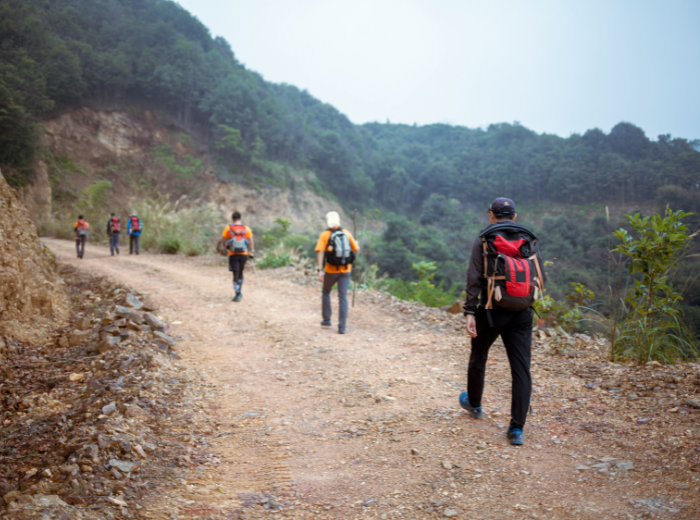
Spend three hours in traditional detention or Join the school counselor for a 3- to 3.5-mile hike in nature.
And the results? They’re surprising and inspiring.
Key Takeaways
- Morse High School in Bath, Maine offers a detention-or-hike choice for students who break school rules.
- Counselor Leslie Trundy designed the program after attending an outdoor education workshop and seeing the holistic benefits of nature.
- Students report the hikes feel challenging and meaningful, not easy, and often better than sitting in a classroom.
- Many students have chosen to join outdoor clubs afterward, turning a consequence into a hobby.
- Time in nature is linked with improved mood, focus, and well-being in young people. (General scientific understanding of nature’s benefits.)
The idea came from Leslie Trundy, a long-time school counselor and avid hiker at Morse High School (part of RSU 1). In 2024, after attending an outdoor education conference, Trundy wondered if nature could be more effective, and more humane, than sitting bored in a classroom.
Her goal wasn’t to “spoil” consequences, but to meet students where they are and help them in a positive, relational way. During hikes, she reads nature poetry, engages students in conversation, and simply listens, not as a disciplinarian, but as a caring adult who wants to understand what’s really going on in their lives.
Trundy told NPR that sometimes “the hike feels really like a punishment,” even though students chose it over sitting still. The physical effort, fresh air, and mental focus are anything but easy.
At first, some students doubted the idea. Many thought hiking would be boring compared to conventional detention. But those same students have described the experience as:
- “An accomplishment”
- “Good for mental health”
- “Better than sitting around”*
Nicholas Tanguay, a freshman who once received detention for yelling at a teacher, said the hike made him breathe more, think more, and feel like he earned something by the end of it.
There are moments students remember fondly, like hiking through snowy trails, pausing to enjoy snacks by a creek, or even singing together while walking back toward campus.
And the benefits aren’t just anecdotal. One educator who commented on Reddit pointed out the potential psychological gains: Nature and exercise calm minds and give students a healthy outlet. Also, outdoor time improves mood, focus, and social connection.
These observations align with broader research showing fresh air, physical activity, and time in green space can reduce stress, enhance cognitive function, and improve emotional regulation in young people.
Not everyone agrees with the idea. Some parents initially objected, saying hiking couldn’t really be a “punishment” for misbehavior.
But even critics recognize that punitive silence and boredom rarely change behavior. Placing students outdoors, with guidance from an empathetic adult, encourages reflection instead of resentment. It gives them a chance to burn energy, talk through problems, and see consequences in action rather than feeling isolated or bored.
Trundy’s approach isn’t just about punishing bad choices. It’s about connecting with students, giving them agency, and helping them find perspective. Many students have even joined the outdoor outing club she started, not as punishment, but because they genuinely enjoy it.
Time outdoors has scientific backing:
- Physical activity improves mood and reduces anxiety.
- Natural light and fresh air help regulate sleep and focus.
- Shared experiences with peers and mentors build stronger social skills.
And from the students’ perspective, hiking doesn’t just feel like a consequence, it feels like a challenge worth accepting. Some students who once chose detention hikes have continued hiking voluntarily, finding joy in nature itself.
One Reddit commenter said it best:
Nature and a walk always solve problems…
[…] Maybe it’s a habit that will continue beyond detention.
Listeners on Reddit and social platforms have shared uplifting responses:
- “This is a phenomenal idea, kids need exercise and outdoor time.”
- “Nature and a walk always solve problems, maybe they’ll hike beyond detention.”
- “This reminds me of how nature helped me when I was young.”
Many comments reflect a shared wish: give all children more access to outdoor time, not just as punishment but as part of everyday school life. Ultimately, even skeptics acknowledge that in a world full of screens and desks, time outside can be transformative.
Instead of relying solely on punishment, this program shows a deeper truth: students learn, grow, and reflect best when they are seen, heard, and engaged, even when they’ve made mistakes.
Taking a hike isn’t just a consequence, it’s an invitation to breathe, think, connect, and try again with a clearer mind.
If this story inspired you, you’ll love the kinds of stories we highlight, real-life moments where people choose compassion, growth, and connection. From educators thinking differently to families finding heart in unexpected places, Simply Wholesome celebrates the goodness that still thrives in everyday life.
Together, let’s find the stories that remind us: compassion is a strength, and sometimes the best lessons happen outside the classroom.












Leave a comment