
Credit: Shutterstock
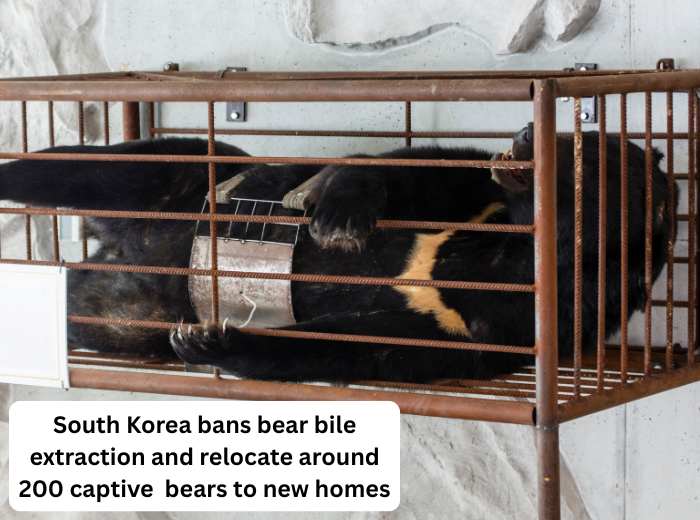
South Korea has taken a landmark step for animal welfare by officially banning bear bile farming beginning January 1, 2026. This decision ends nearly four decades of a controversial practice in which bears were kept in captivity and repeatedly drained of bile, fluids harvested from their gallbladders for use in traditional medicinal products.
Bear bile farming first emerged in South Korea in the 1980s as part of an effort to provide ingredients believed to help with various health conditions. Over time, critics, including animal welfare activists, raised serious concerns about the cruelty involved, noting that bears were typically confined in small, barren cages with tubes or catheters inserted to extract bile repeatedly.
Credit: Shutterstock
Key Takeaways
- South Korea is banning bear bile farming beginning Jan. 1, 2026, ending a controversial animal industry that persisted for about 40 years.
- The practice involved keeping bears, mostly Asiatic black “moon bears,” in captivity and extracting bile from them for use in traditional medicine.
- The ban stems from a 2022 agreement between the government, animal welfare groups, and bear farmers to phase out the industry.
- Around 200 bears still remain in captivity, and authorities are working to relocate them to sanctuaries or suitable care facilities.
- Environmental and animal protection groups have welcomed the ban but urge continued action to ensure rescued bears have safe, humane homes.
The move to end the industry reflects shifting public attitudes toward animal rights and increased awareness of alternatives to bear-derived products. Synthetic and plant-based substitutes for bear bile, such as ursodeoxycholic acid used in Western medicine, have reduced reliance on the traditional practice, making farming bears for bile both unnecessary and unfavored by many consumers.
The ban comes after a 2022 agreement between government officials, bear farmers, and animal protection organizations like Green Korea United, the Korean Animal Welfare Association, and Moon Bear Project. That agreement paved the way for the phase-out by committing all parties to stop breeding bears and extracting their bile by the start of 2026.
Credit: Shutterstock
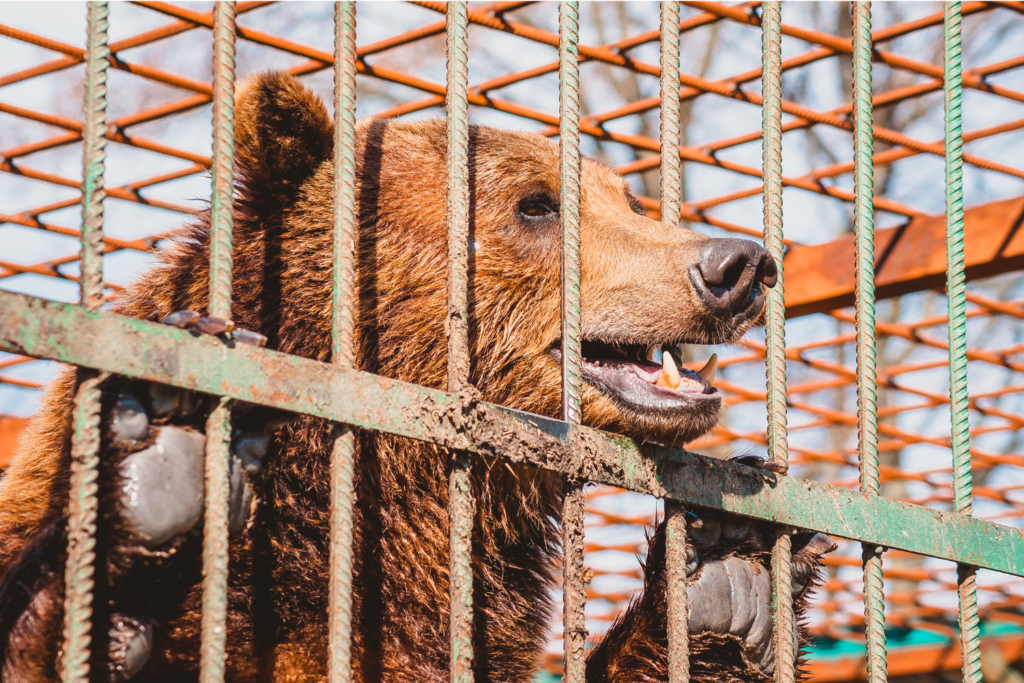
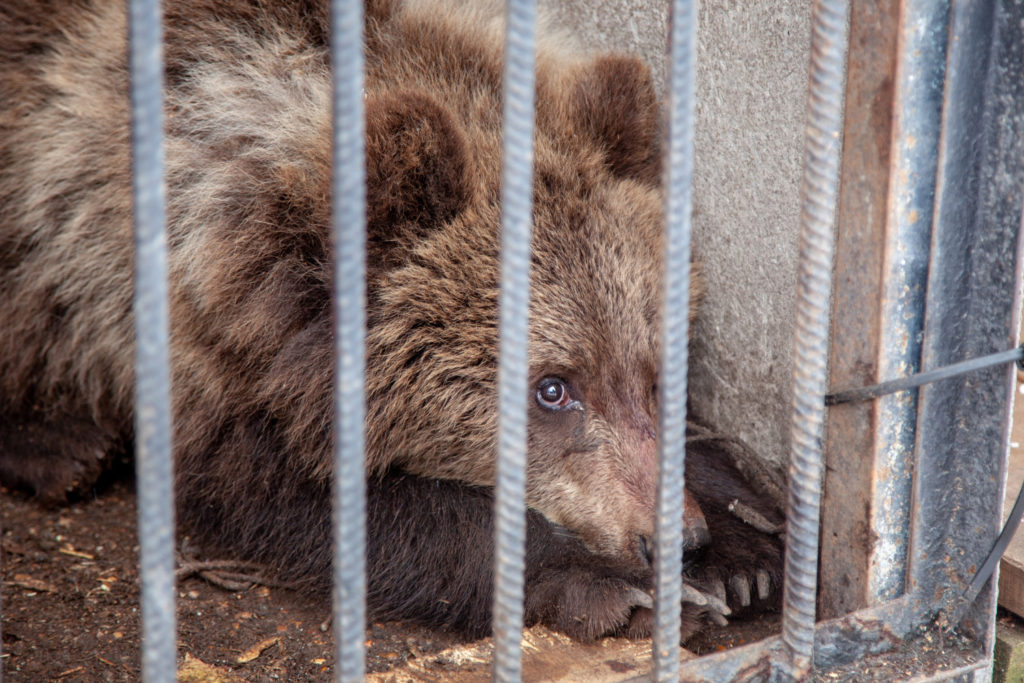
While the industry will soon be illegal, the transition raises practical and ethical questions about what happens next for the bears still in captivity. Reports indicate that around 200 bears remain on various farms across the country, many of them still confined in pens. Authorities and animal advocates are now working on plans to relocate these bears into sanctuaries or other suitable environments where they can receive proper care.
Animal welfare groups have welcomed the ban as a historic victory for animal protection in Korea, but they also emphasize the importance of ensuring long-term welfare for the rescued bears. South Korea’s existing sanctuary space is limited, and activists are advocating for expanded facilities and support systems to house the animals safely and humanely.
The end of bear bile farming also aligns with broader trends in South Korea toward improved animal welfare standards. Alongside other measures such as the country’s upcoming ban on dog meat farms, the government’s actions reflect growing concern for animals and public demand for more humane treatment.
For decades, bear bile farming was defended by some practitioners and traditional medicine advocates as a cultural practice. But critics argued that alternatives existed and that keeping highly intelligent creatures like bears in restrictive conditions, solely for bile extraction, was inhumane. The ban marks an important policy shift and signals increased recognition of animal cruelty issues at the national level.
As 2026 begins, animal rights supporters hope the policy will not only put an end to this long-criticized industry but also serve as a model for other nations where similar practices persist. Efforts to improve care for the remaining bears and expand sanctuaries will be key to turning the promise of the ban into a lasting reality for the animals affected.
If inspiring stories about compassion, animal welfare progress, and human efforts to protect the vulnerable resonate with you, visit Simply Wholesome. We bring you meaningful articles that celebrate kindness, promote mindful living, and highlight positive change in the world.










Leave a comment