

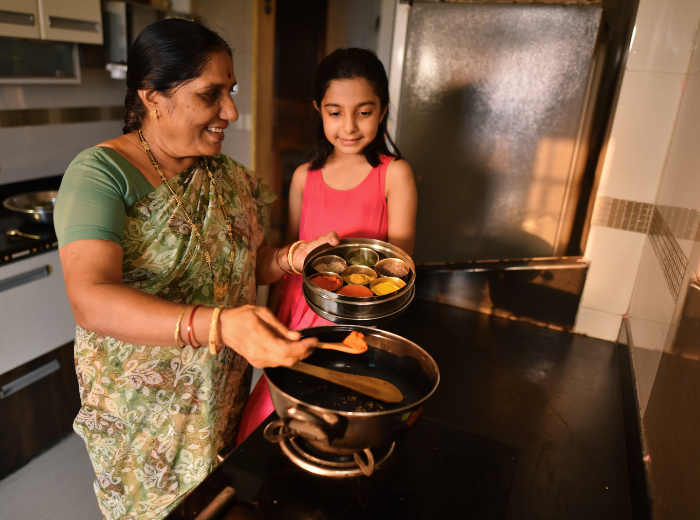
For generations, the work done inside homes like cooking, cleaning, caregiving, managing schedules, raising children, supporting elders has often gone unrecognized in formal economic systems. It’s valuable labor, yet rarely paid or counted in official measures of economic activity.
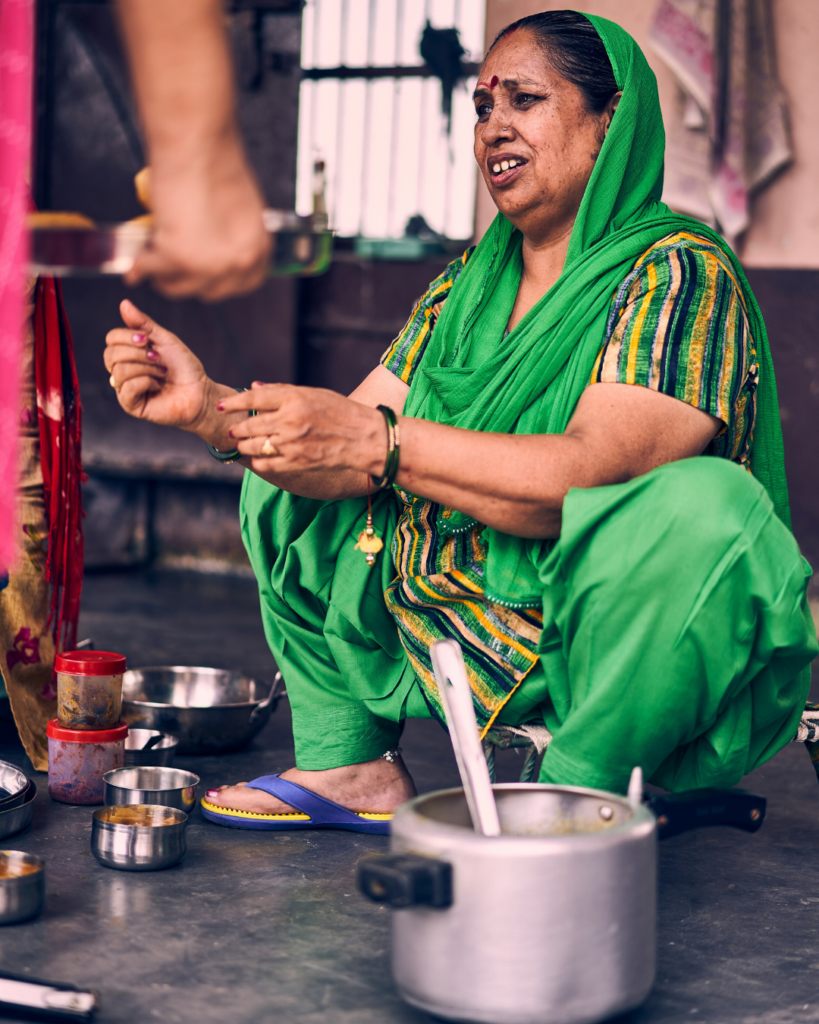
unsplash
Now, in a developing policy shift in India, some cities and states have begun providing direct cash payments to homemakers, not as charity, but as acknowledgment of the true economic value and contribution of domestic labor.
In late 2025 and early 2026, several local governments in India announced programs aimed at giving monthly stipends to married women who identify as homemakers. These payments are intended to provide financial autonomy, reduce economic vulnerability, and validate the daily labor that traditionally goes uncompensated.
In places like Kerala and Rajasthan, state governments have introduced programs where women aged 18 to 60 who identify as homemakers are eligible to receive a monthly cash payment. The amounts vary by region, but the intention is to provide a modest income that recognizes household work as contributory economic labor, not invisible or unpaid labor. These stipends are not tied to employment outside the home. Instead, they depend on self-identification and household role.
This policy shift reflects an evolving understanding of economics, one that views care, domestic management, and family support as essential contributions to the wellbeing of society.
Rather than seeing these payments as “handouts,” advocates describe them as compensation for labor historically excluded from GDP and labor statistics, the unpaid work that keeps households functioning and contributes to the broader economy.
In many societies around the world, homemaking has long been treated as invisible work. Economists have noted that unpaid domestic labor, caregiving, cooking, cleaning, childcare supervision, elder care adds trillions to global economic value each year, yet it’s rarely reflected in national accounts.
For many homemakers, this isn’t just about the money, it’s about being seen, heard, and respected for the essential work they contribute every day.
Across social platforms and community forums, people have expressed heartfelt reactions, not only about the financial aspects, but about what this shift symbolizes:
From Facebook:
- “Finally, someone sees what we do every single day.”
- “This payment isn’t charity, it’s respect.”
On Twitter:
- “Paying homemakers is long overdue. Care work is work.”
- “This acknowledges the backbone of every family, thank you.”
On Reddit threads discussing the news:
- “Domestic work builds society and should be recognized economically.”
- “This makes me hopeful that caregiving and household management will be valued in other countries too.”
While some discussions explore the logistics and fairness of payment criteria, many agree on the central idea: homemakers deserve recognition, both socially and economically.
These are roles that countless people perform daily, yet they’ve rarely been recognized in formal economic accounts or labor compensation structures.
India’s pilot programs don’t erase all inequalities or financial challenges, but they set a precedent. They say: household work matters. Care matters. The labor that keeps families and communities functioning is worthy of economic acknowledgement
This approach aligns with a growing global conversation about care work, equity, and economic justice, and it could inspire other regions to explore similar policies adapted to their own cultural and economic contexts.
Key Takeaways
At its core, this movement is not just about cash payments, it’s about recognition and respect. It’s a structural acknowledgment that:
- Labor inside the home keeps families whole.
- Care work builds human potential.
- Economic systems should reflect the value of all work, not just paid labor outside the home.
Providing stipends to homemakers can:
- Help cover household necessities like groceries, utilities, school fees, and health costs.
- Give women greater agency over financial decisions.
- Reduce economic dependence and improve autonomy.
- Encourage a broader societal reassessment of what “work” truly includes and values.
Whether or not similar policies spread to other parts of the world, India’s initiative ignites an important conversation about fairness, dignity, and the future of work.
For many homemakers, this is a moment of validation, a reminder that their daily efforts are not invisible.
If this story resonates with you, share it with someone who values care, community, and human dignity. Tell the homemakers in your life that their work matters. Support policies and practices that recognize the full spectrum of human labor, regardless of where it takes place.
For more stories that uplift, inspire, and celebrate the everyday heroes whose labor shapes families and communities, visit Simply Wholesome, where we honor the meaningful work that often goes unseen.











Leave a comment