

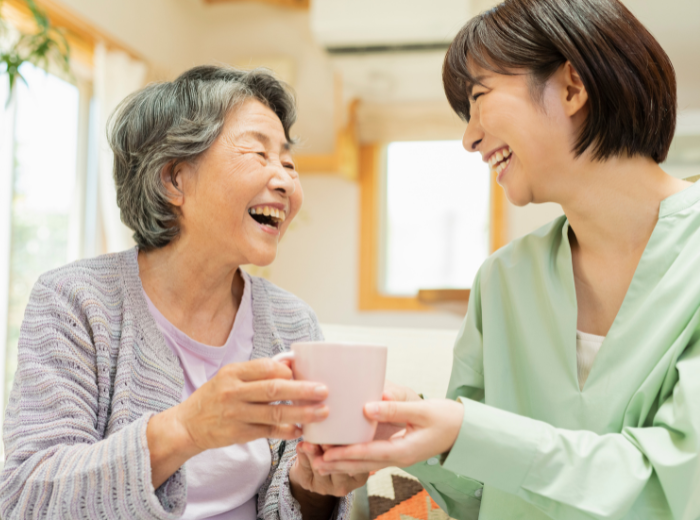
In a country known for its deep respect for elders and strong cultural traditions, a quietly beautiful idea has been gaining attention: in Japan, you can “rent a grandma.” While the phrase may sound unusual at first, the reality behind it is profoundly wholesome. These services connect older adults with families and individuals seeking companionship, guidance, or practical help, creating meaningful intergenerational relationships in a modern world where both the young and old often feel isolated.
I Rented a Japanese Grandma for a Day
Credit: iStock
Key Takeaways
Japan’s aging population has inspired creative, community-based solutions that foster connection rather than isolation.
Rent-a-grandma services provide seniors with purpose, income, and emotional fulfillment.
Families and children benefit from mentorship, cultural knowledge, and genuine intergenerational bonds.
The concept challenges stereotypes about aging and reframes older adults as valuable contributors to society.
At its heart, the movement proves that human connection remains one of the most powerful tools for building stronger communities.
For $23 an Hour, Japanese Service Lets You Rent a Grandma for Meals and Life Advice
Japan has one of the world’s oldest populations, with nearly a third of its citizens over the age of 65. At the same time, family structures have shifted. Multigenerational households are less common than they once were, work hours are long, and many elderly people live alone. This demographic shift has created a quiet but pressing need: seniors crave purpose and connection, while families often long for extra emotional and practical support.
That’s where these rent-a-grandparent services step in.
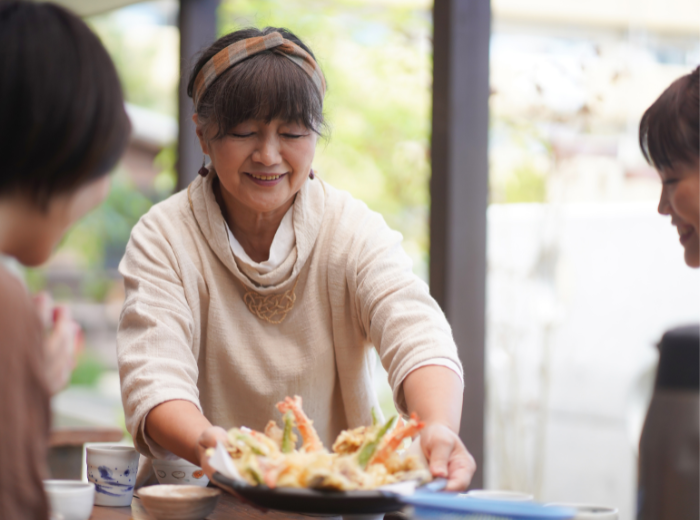
Through organized agencies and community programs, older adults register their availability and experience. Families can request their help for various needs, from playing with children and sharing stories to cooking traditional meals, offering life advice, tutoring, or simply spending time in conversation. Compensation is usually modest, recognizing the elder’s time while keeping the focus on connection rather than transaction.
What makes this concept so powerful is that it benefits everyone involved. For seniors, it provides income, but more importantly, it restores a sense of usefulness and belonging. Many participants describe feeling energized by the opportunity to nurture, teach, and guide younger generations. They are not sidelined by age, they are celebrated for their wisdom and warmth.
Credit: unsplash
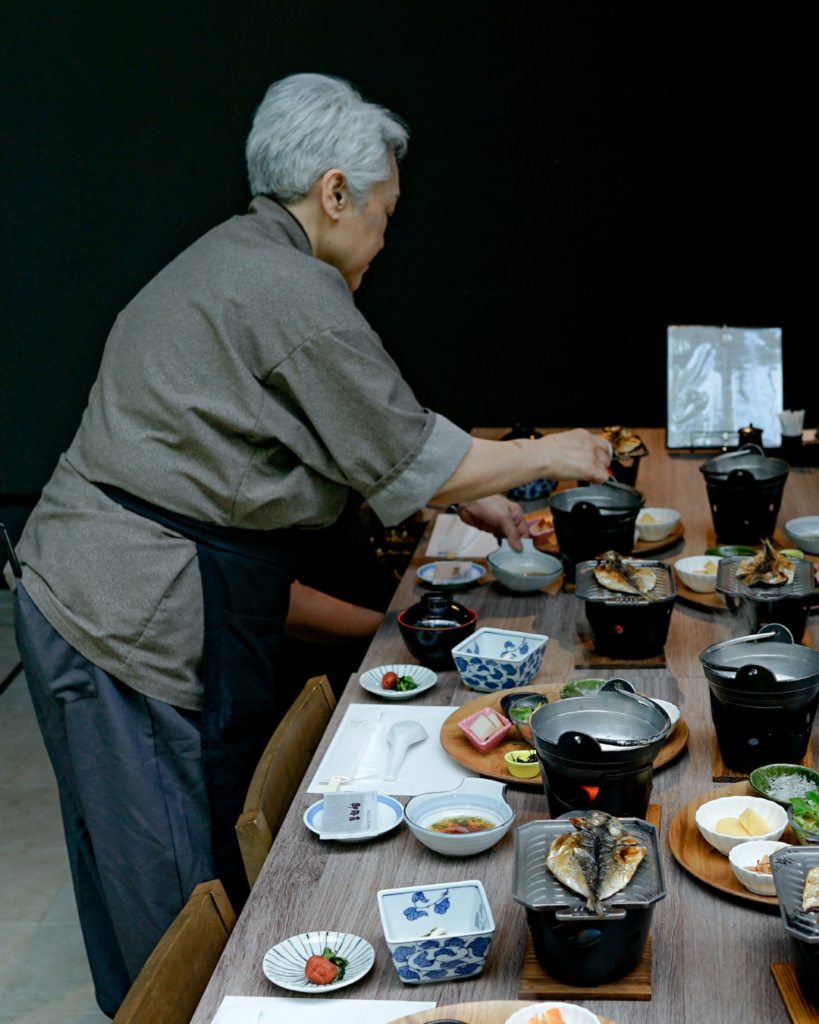
For families, the support can be transformative. Parents juggling demanding work schedules find reassurance in knowing their children are spending time with a caring elder. Children gain something increasingly rare in fast-paced modern life: patient attention, storytelling, traditional knowledge, and gentle mentorship. In many cases, these relationships extend beyond scheduled visits and grow into genuine bonds that resemble true family ties.
The idea has resonated far beyond Japan. Online discussions across Reddit, Facebook, and other platforms have been overwhelmingly positive. Many commenters say it reminds them of their own grandparents and the comfort those relationships brought. Others note how powerful it is to see elders treated as valuable contributors rather than burdens. Some have even expressed hope that similar programs could be introduced in their own countries to combat loneliness and strengthen community ties.
At its core, this movement speaks to something universal: the human need for connection. In a world where technology often replaces face-to-face interaction and busy schedules limit family time, the simple act of sharing tea, conversation, or laughter across generations becomes revolutionary.
It also challenges assumptions about aging. Instead of viewing later life as a period of decline or withdrawal, these programs frame it as a stage rich with potential contribution. Older adults possess decades of lived experience, resilience, perspective, humor, and emotional intelligence, qualities that younger generations deeply benefit from. By creating structured opportunities for these exchanges, Japanese communities are reinforcing the idea that every stage of life holds value.
Ultimately, the story of “rent a grandma” is not about transactions. It is about restoring threads of community that urbanization and busy lifestyles have slowly unraveled. It is about children hearing stories from someone who has lived through different eras. It is about elders waking up with a sense of purpose, knowing someone is looking forward to seeing them.
If this story moved you, consider how you might strengthen intergenerational bonds in your own life. Call a grandparent. Visit an elderly neighbor. Volunteer at a senior center. Small gestures can create profound impact. And if you believe in celebrating stories that highlight compassion, dignity, and community, continue exploring Simply Wholesome, where we share the moments that bring generations closer together.













Leave a comment