

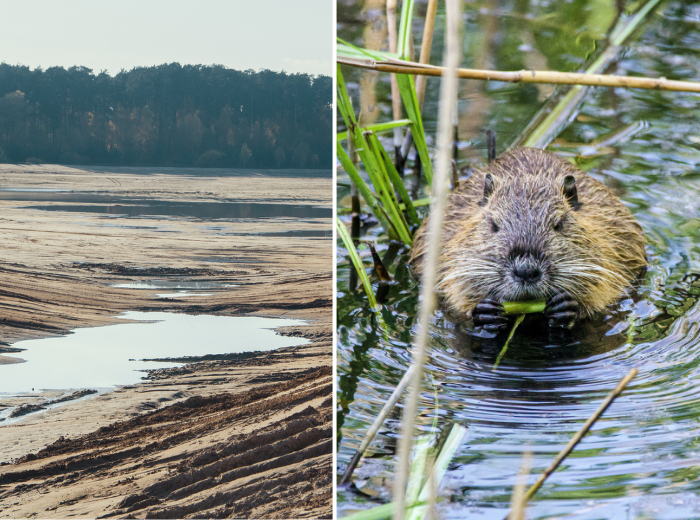
In fragile ecosystems around the world, some of the most effective teachers come not from scientists in labs, but from animals acting on instinct. One inspiring example comes from the Great Basin region of the American West, where beavers were intentionally relocated to a dying desert river, and the transformation that followed over six years has amazed ecologists, ranchers, and communities alike.
Credit: unsplash
Key Takeaways
- Beavers were intentionally relocated to the Little Humboldt River watershed in Nevada to help restore water flow and habitat.
- Over six years, beaver damming raised water tables, spread water across floodplains, and helped reestablish vegetation.
- Wetland creation supported greater biodiversity, including birds, fish, and other wildlife.
- Online reactions reflected wonder, hope, and appreciation for nature’s role in self-healing.
Beginning around 2017, wildlife managers, conservationists, and local land stewards began moving beavers into the Little Humboldt River watershed in Nevada, a system that had seen steep declines in water flow, dry streambeds, and deteriorating habitat due to water diversion, drought, and climate stressors. The goal was simple but ambitious: use beavers’ natural engineering behavior to restore water, vegetation, and ecological balance.
Six years later, the results show how nature, given a chance, can heal itself.
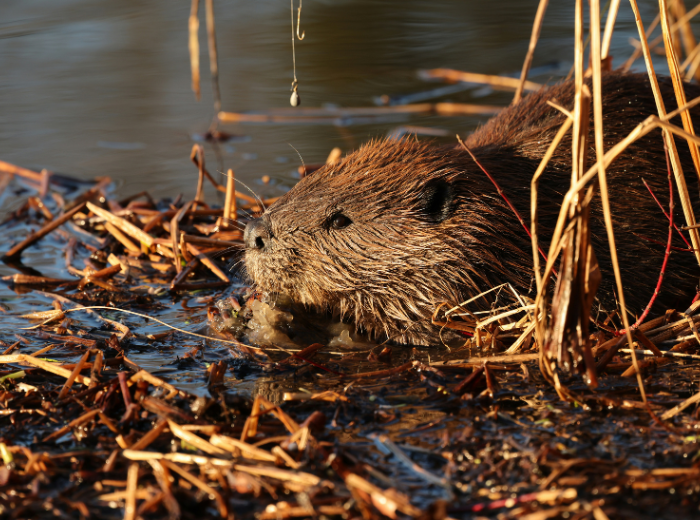
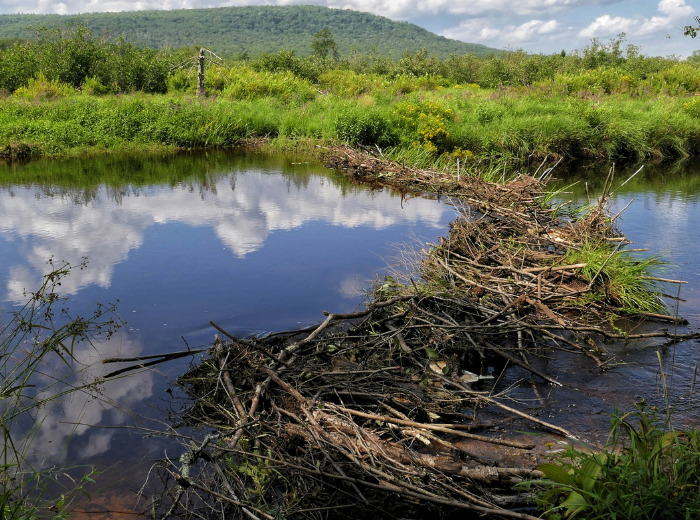
Beavers are often called “ecosystem engineers” because their dam-building activities physically reshape landscapes as they slow down water flow, create ponds and wetlands and raise water tables. They trap sediment and organic material and provide habitat for fish, birds, and amphibians.
Credit: unsplash
In desert and semi-arid regions like Nevada’s Great Basin, water is especially precious. Even small changes in streamflow or groundwater storage can dramatically affect plant communities, wildlife access to water, and overall ecosystem resilience.
Wildlife biologists partnered with ranchers and local stakeholders to intentionally relocate beavers to parts of the Little Humboldt River where flow was intermittent or water was blocked by degraded channels. The idea wasn’t to flood the landscape, but to give the river back its natural hydrology, a version of the stream that could retain water longer, feed springs, and rebuild habitat complexity.
Monitoring over the following years revealed some amazing improvements:
- Water spread more evenly across the floodplain.
- Beaver dams raised water tables, keeping water in places that had once gone dry.
- Vegetation returned, from willows and cottonwoods to grasses and sedges.
- Birds, fish, and insect diversity increased as wet habitats expanded.
- Stream banks stabilized, reducing erosion.
Credit: unsplash
A once struggling desert waterway became a mosaic of ponds, rivulets, and lush plant patches, a stark contrast to its prior dry, eroded state.
This story captured attention beyond scientific circles, and people online were moved by its demonstration of nature’s resilience:
Reddit Reactions:
“Beavers are the original ecosystem engineers. This is what real restoration looks like.”
“This gives me hope for rewilding projects everywhere.”
“The beavers didn’t need humans to tell them what to do, just a chance to exist where they belong.”
Facebook Comments:
“It’s amazing how much good a few animals can do.”
“Reminds me that solutions don’t always require machines, sometimes they require animals being themselves.”
“Nature can heal when given the space and respect to do it.”
Twitter Comments:
“Beavers deserve national park status for what they can accomplish.”
“Six years later… proof that long-term thinking matters.”
“This is so wholesome, ecological restoration done right.”
Those reactions show a mix of wonder, appreciation for nature’s capacity, and a longing for more projects that embrace living solutions rather than artificial ones.
What makes this story particularly meaningful is that it confirms a principle ecologists have long emphasized: restoration should work with nature, not against it. In this case:
- Beavers didn’t create water, they helped hold it where it falls.
- They didn’t plant vegetation, they created conditions where plants could grow.
- They didn’t manage habitat, they reshaped it in ways that support many species.
The project also showed that animals long seen as pests can, in fact, be powerful partners in restoration when people learn where and how to work with them.
This effort demonstrates how natural behaviors can be harnessed in ecosystem restoration without heavy machinery or artificial engineering.
In an era when news often focuses on conflict, disaster, and division, this story reminds us that life has an innate capacity to flourish when given space, time, and respect. It also reframes how we think about restoration: success doesn’t always look like control or dominance, sometimes it looks like letting nature do what it does best.
The beavers didn’t build this outcome to please humans, they simply followed their instincts. Yet their work created conditions that benefit countless species, including people who rely on water, forage, and resilient landscapes.
This is one of those moments where inspiration meets biology and offers a hopeful message for anyone concerned about the future of wild places.
If this story lifted your spirits or reminded you of nature’s resilience, share it with someone who loves animals, conservation, or positive environmental news. You can also support local and regional habitat restoration efforts, volunteer with wildlife organizations, or simply learn more about how species like beavers contribute to ecological health.
For more stories that celebrate the natural world, interdependence, and the small wonders that enrich our planet, visit Simply Wholesome, where we highlight the good that still grows on Earth.














Leave a comment