
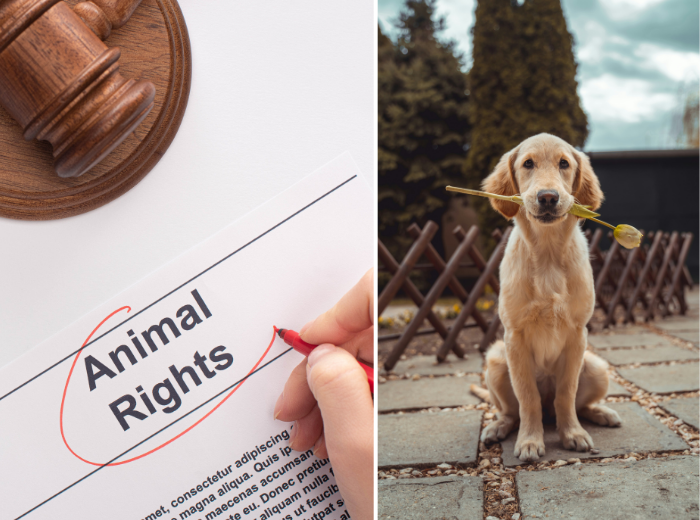
Credit: Richard Brutyo/unsplash; LightFieldStudios/iStock
Florida has taken a major step in animal welfare policy by publicly listing individuals convicted of animal cruelty in a statewide database. This effort is part of Dexter’s Law, legislation designed to prevent animals from being placed in unsafe homes and to strengthen penalties for cruelty offenses.
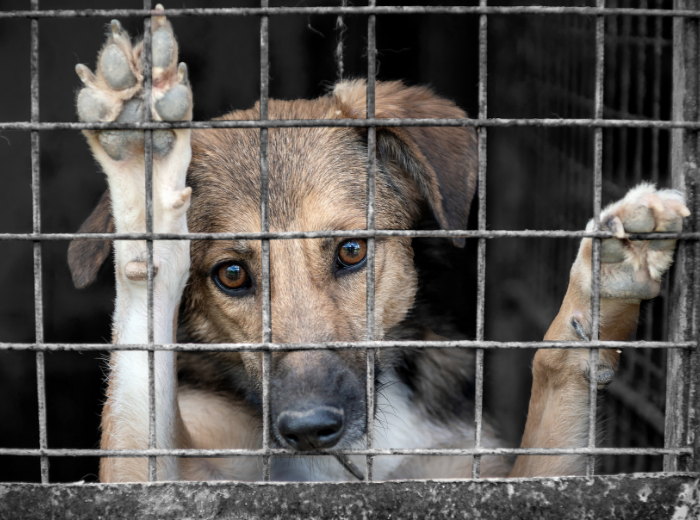
Credit:Andyborodaty/ iStock
Key Takeaways
- Florida has launched its first public animal cruelty offender registry under a new law known as Dexter’s Law.
- The registry lists people convicted of animal cruelty offenses so shelters, rescue groups, and the public can screen potential adopters.
- The law also includes harsher penalties for aggravated animal cruelty and is named after a dog whose death shocked the state.
- The list is publicly searchable online and offenders remain on it for at least 10 years, with repeat offenders staying longer.
- Some animal advocates and shelters say the registry lacks enough detailed information to be fully effective.
Starting January 1, 2026, the Florida Department of Law Enforcement (FDLE) launched a searchable online registry of animal cruelty offenders. It includes people who have been convicted, pled guilty, or entered a no contest plea to animal cruelty charges across the state. The database will be available to the public, animal shelters, rescue organizations, and adoption agencies so they can check whether someone has a history of abuse before placing pets in their care.
The law is named after Dexter, a bulldog whose brutal killing shortly after being adopted sparked outrage and highlighted weaknesses in the state’s protections for animals. Lawmakers used that tragic case to argue that stronger measures were needed to stop repeat offenders from owning or adopting pets.
Under the new system, information about convicted animal abusers will remain publicly accessible for at least 10 years on the FDLE website, and individuals who offend again may stay listed for another decade or more. The aim is to help shelters vet potential adopters and reduce the risk that abused animals are placed back into harmful environments.
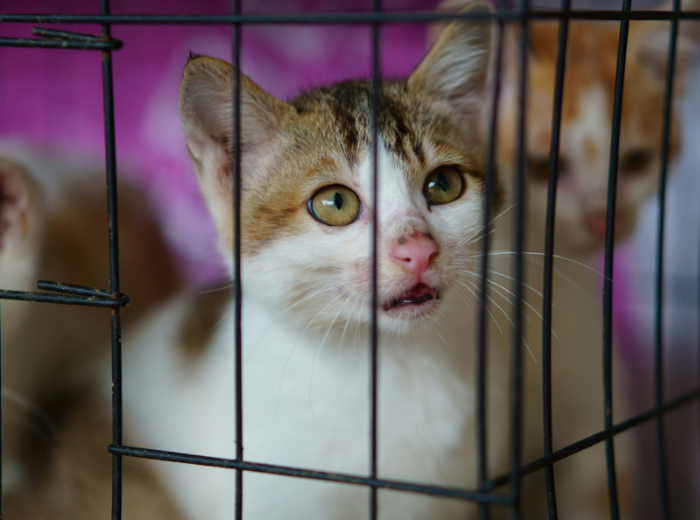
Credit: Shawn Rain/unsplash
In addition to creating the registry, Dexter’s Law includes enhanced penalties for aggravated animal cruelty. The law gives judges the ability to impose stiffer sentences, and the state has adjusted its sentencing “point system” so that serious cruelty cases carry more weight and can lead to longer jail or prison terms. This reflects a broader effort to treat severe animal abuse as a violent crime with meaningful consequences.
Officials have said the registry fills a gap in existing protections. Before the law, county-level records made it difficult to track convicted abusers who moved from one part of the state to another. The centralized database allows counties, pet adoption organizations, and members of the public to search one site for information statewide. Shelters are expected to use the tool before approving adoptions or rehoming arrangements.
Florida is now among a small number of jurisdictions with publicly accessible animal abuse registries. Tennessee launched a statewide database in 2016, and some local areas like New York City and Cook County, Illinois, have their own systems. But statewide efforts remain relatively rare, making Florida’s move noteworthy.
Not everyone thinks the registry goes far enough. Some animal welfare advocates and shelter workers have raised concerns that the list does not include enough detailed information to be fully useful in screening future adopters or protecting animals. These critics argue that expanding the data available or adding more context could improve the tool’s effectiveness.
Still, supporters of Dexter’s Law see it as a historic step forward. They say the registry increases transparency, helps break cycles of abuse, and gives communities a way to be more informed and protective of pets. While the system is new and just beginning to be used, it represents a shift toward greater accountability for acts of cruelty and stronger safeguards for animal welfare in Florida.
If you care about animal welfare, community safety, and the laws that help protect pets and people, you’ll find thoughtful, meaningful content on Simply Wholesome. Our site brings you stories that inform, inspire, and encourage compassion, from everyday heroes and legal changes to uplifting animal rescue stories and practical tips for living with kindness.












Leave a comment