

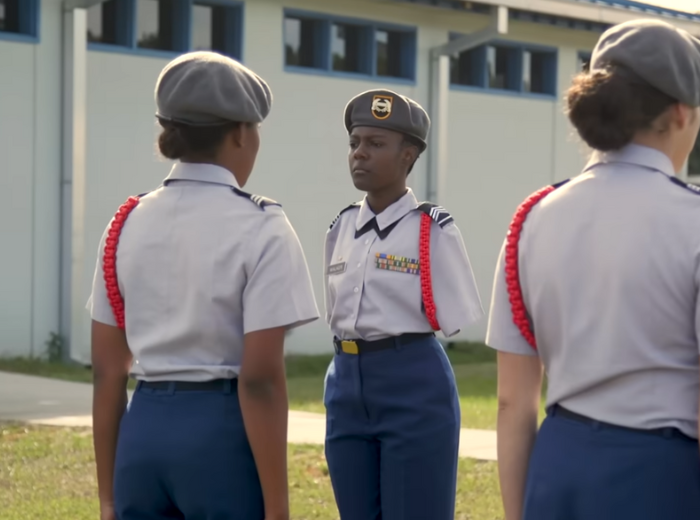
Credit: Youtube
Born with a congenital condition that affected the development of her arms and hands, Donavia grew up navigating a world not designed with her in mind. From a young age, she learned to adapt, using her feet for tasks most people do with their hands, and finding her own ways to write, learn, and live independently.
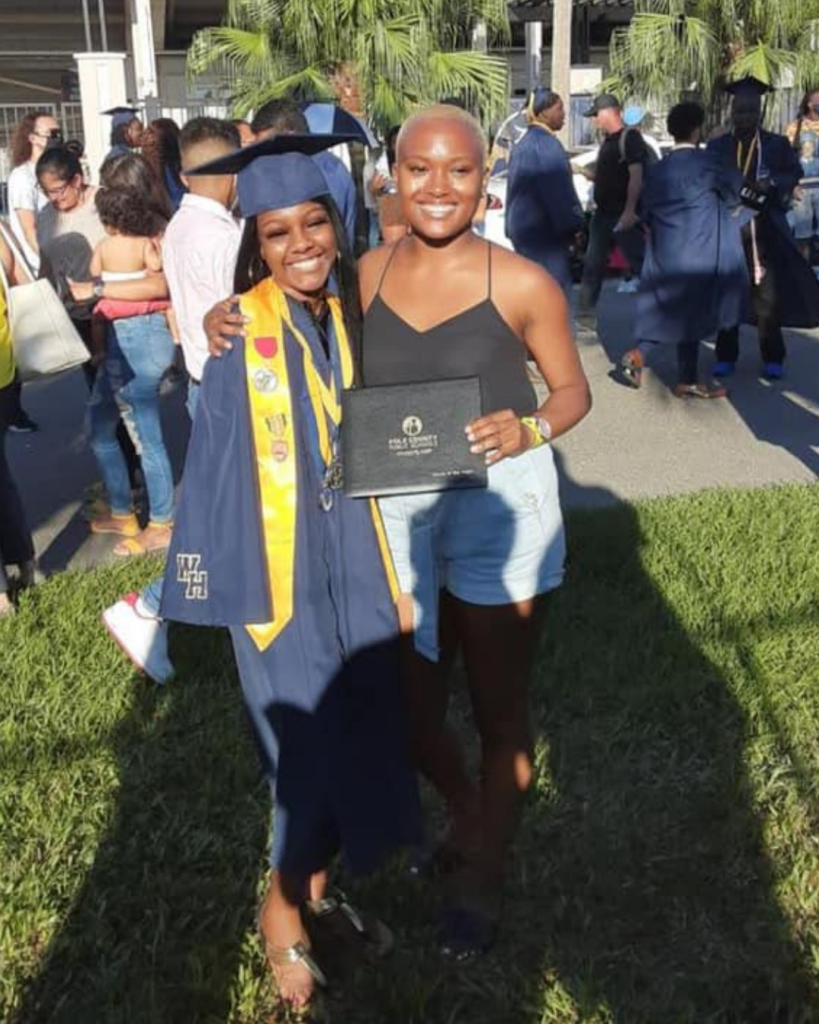
When Donavia Walker crossed the stage to receive her diploma, it wasn’t just a graduation. It was a declaration.
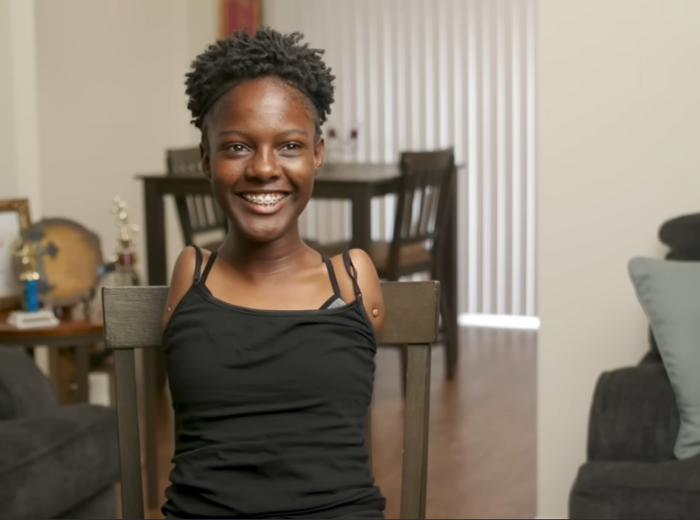
Credit : Youtube
Key Takeaways
- Donavia Walker overcame extraordinary physical challenges to graduate, proving that disability does not define intelligence, ambition, or worth.
- Born with a rare congenital condition affecting her limbs, Donavia faced low expectations from society, and consistently shattered them.
- Her graduation became a powerful symbol of self-empowerment, resilience, and faith, resonating with people around the world.
- Online reactions reflect admiration, spiritual reflection, and pride, with many calling her journey deeply inspiring.
What she faced wasn’t only physical barriers, but low expectations. Like many people with visible disabilities, Donavia encountered assumptions about what she could or could not achieve. Her graduation quietly but powerfully dismantled those assumptions.
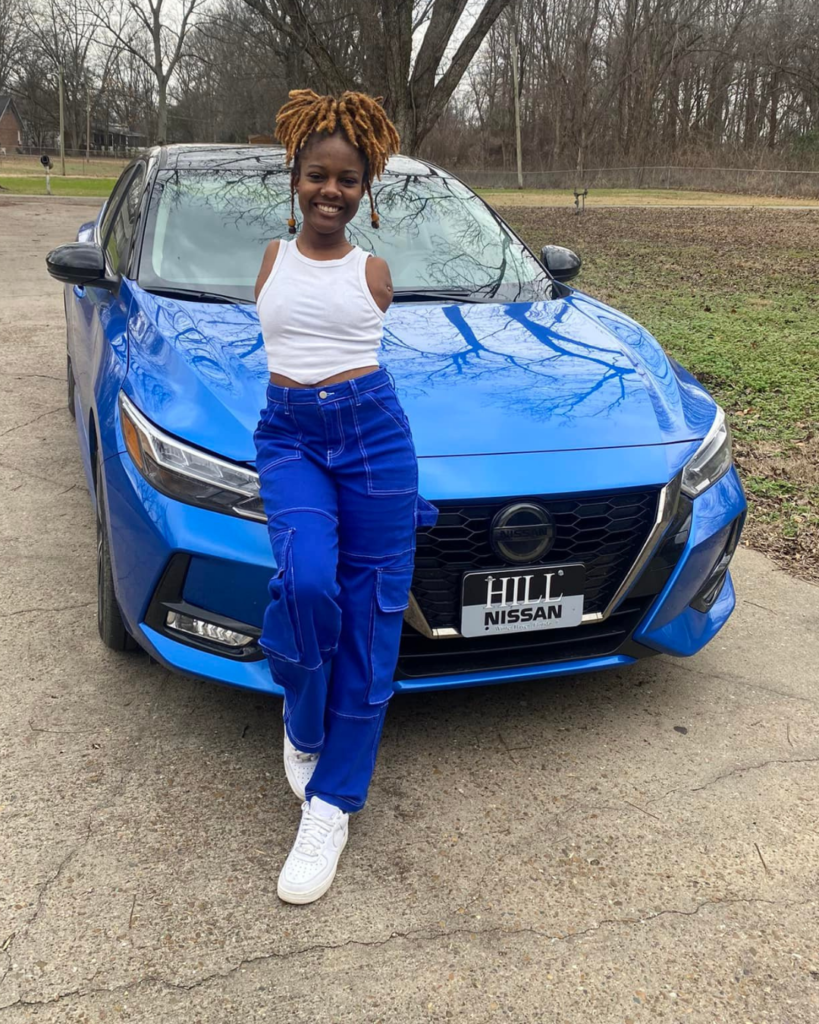
Credit: Donavia Walker/facebook
Donavia’s academic journey required creativity, persistence, and relentless self-belief. Everyday tasks, studying, taking exams, completing assignments, demanded more effort and problem-solving than most people will ever have to consider.
Yet those challenges shaped her strength.
Rather than viewing her disability as a limitation, Donavia learned to see it as something she could work with, not against. Her success is rooted not in overcoming her body, but in owning her capabilities and refusing to internalize the doubts of others.
Her graduation photo, marked by a radiant smile, quickly spread online, not because of pity, but because of pride.
Donavia’s story sparked heartfelt reactions across social platforms, with many people seeing their own struggles reflected in her achievement.
Bicentennial Bébé wrote:
“What an impressive display of self-empowerment through recognizing & living up to one’s own potential, especially when that potential is widely unrecognized by others.”
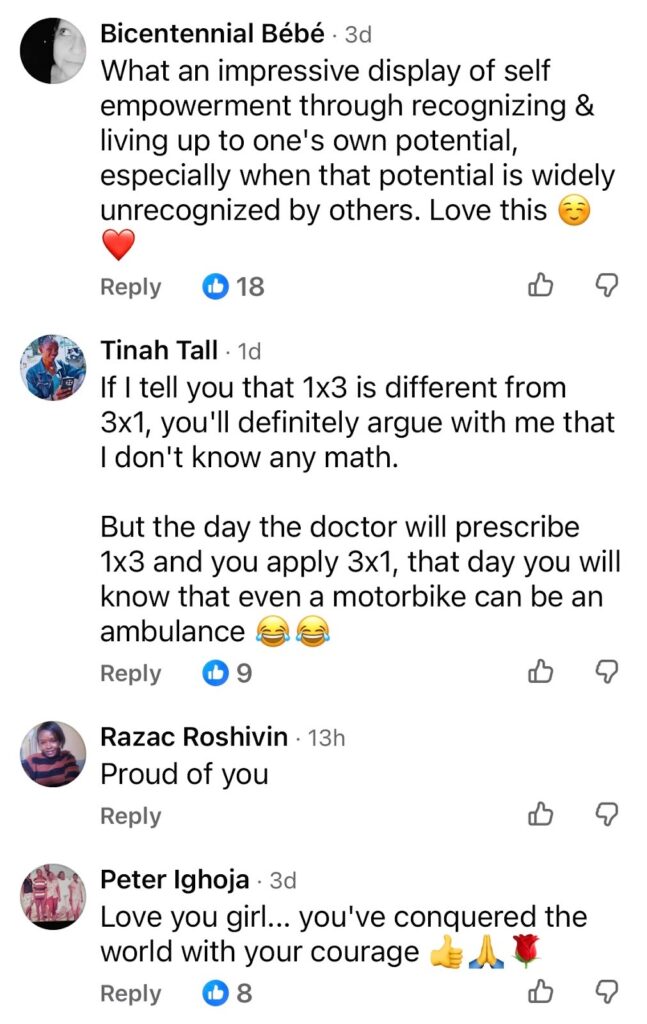
Tinah Tall shared a metaphor that deeply resonated with viewers:
“If I tell you that 1×3 is different from 3×1, you’ll argue… but the day a doctor prescribes 1×3 and you apply 3×1, that day you’ll know even a motorbike can be an ambulance.”
Peter Ighoja simply said:
“Love you girl… you’ve conquered the world with your courage.”
Faith-centered responses also poured in, with many attributing her strength to divine support.
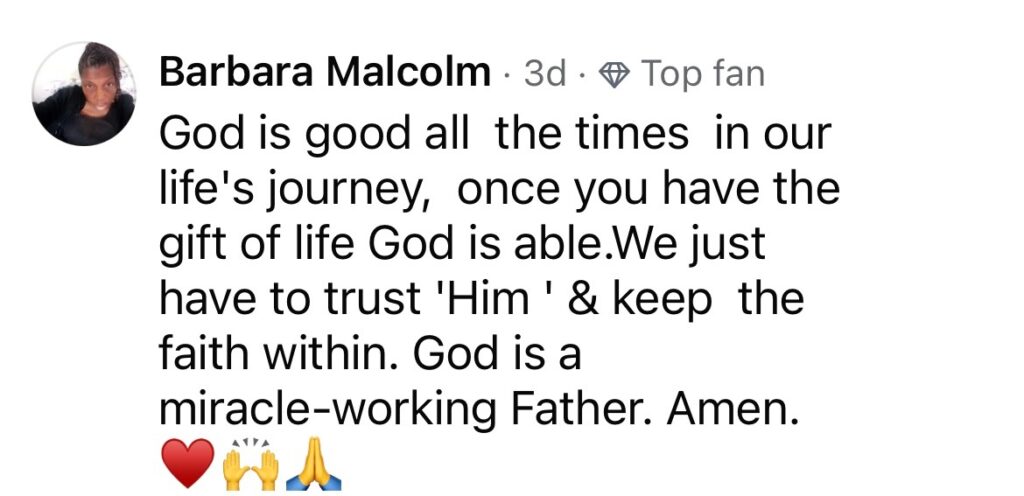
Barbara Malcolm commented:
“God is good all the times in our life’s journey… once you have the gift of life God is able.”
Others focused on her warmth and presence beyond her achievements.
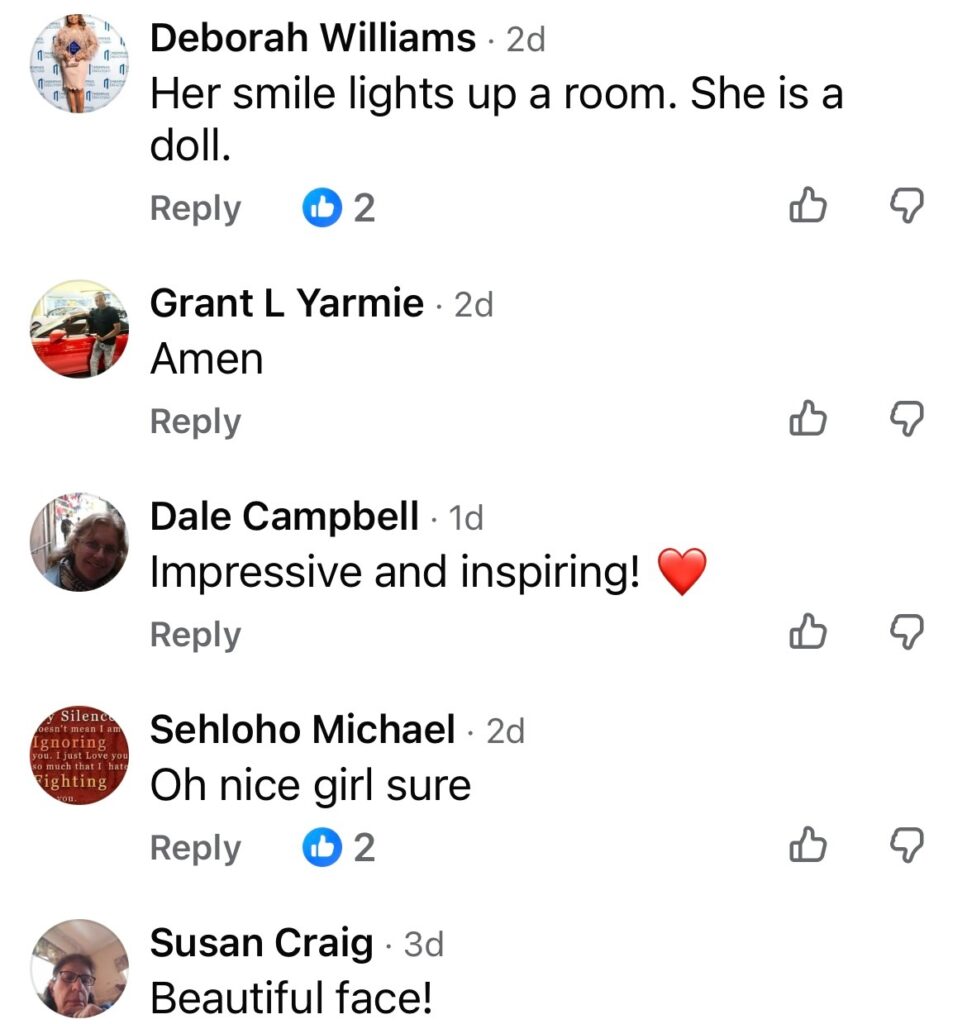
Deborah Williams wrote:
“Her smile lights up a room. She is a doll.”
Together, the comments reflect something powerful: people weren’t inspired by tragedy, they were inspired by dignity, confidence, and joy.
Donavia Walker’s graduation matters because it challenges how success and capability are framed.
Credit: Donavia Walker/facebook
Her story isn’t about being “despite” disability, it’s about living fully with it. It reminds us that access, accommodation, and belief can unlock extraordinary potential, and that society’s expectations often need more adjustment than disabled bodies ever do.
She stands as a reminder that representation matters, and that celebrating achievement does not require comparison or pity, only respect.Stories like Donavia Walker’s remind us of what’s possible when resilience meets opportunity. At Simply Wholesome, we share real human journeys that celebrate strength, dignity, and growth, without sensationalism.







Leave a comment