

Credit: Shutterstock
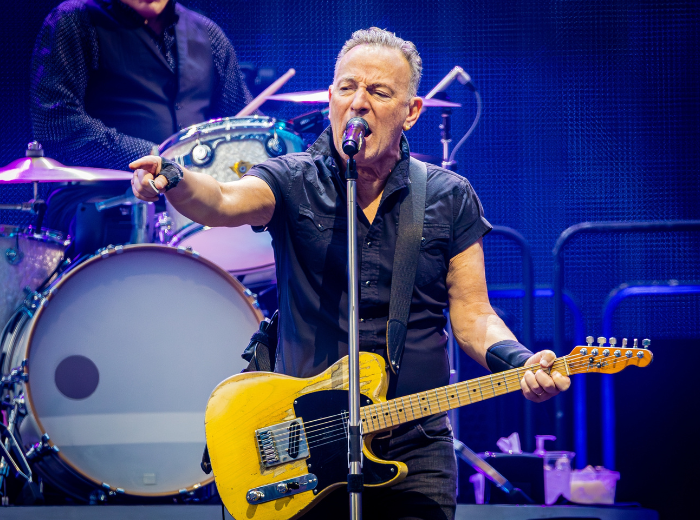
Bruce Springsteen has added his voice to the national conversation about immigration enforcement and violence with a bold new song titled “Streets of Minneapolis.” Released on January 28, the track was crafted and published quickly in the wake of deadly ICE actions in Minneapolis, Minnesota, where federal agents shot and killed two civilians, prompting protests and fierce debate over U.S. government policy toward immigration enforcement and civil dissent.
Credit: Shutterstock
Key Takeaways
- Legendary rocker Bruce Springsteen, 76, has released a new politically charged protest song called “Streets of Minneapolis”, condemning the actions of U.S. Immigration and Customs Enforcement (ICE) and former President Donald Trump’s administration.
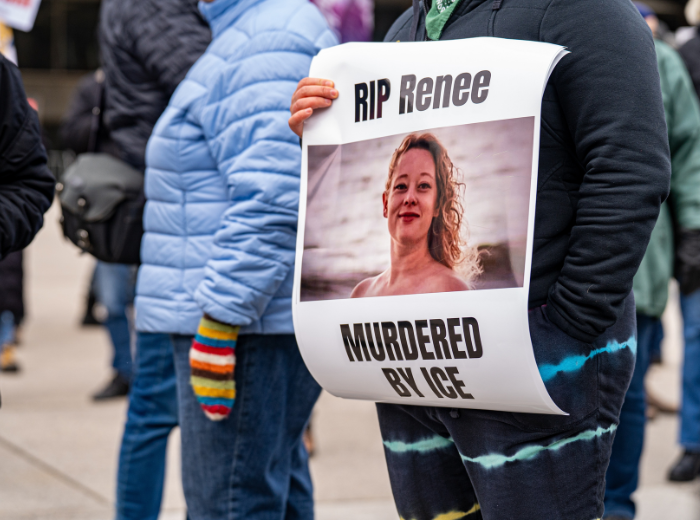
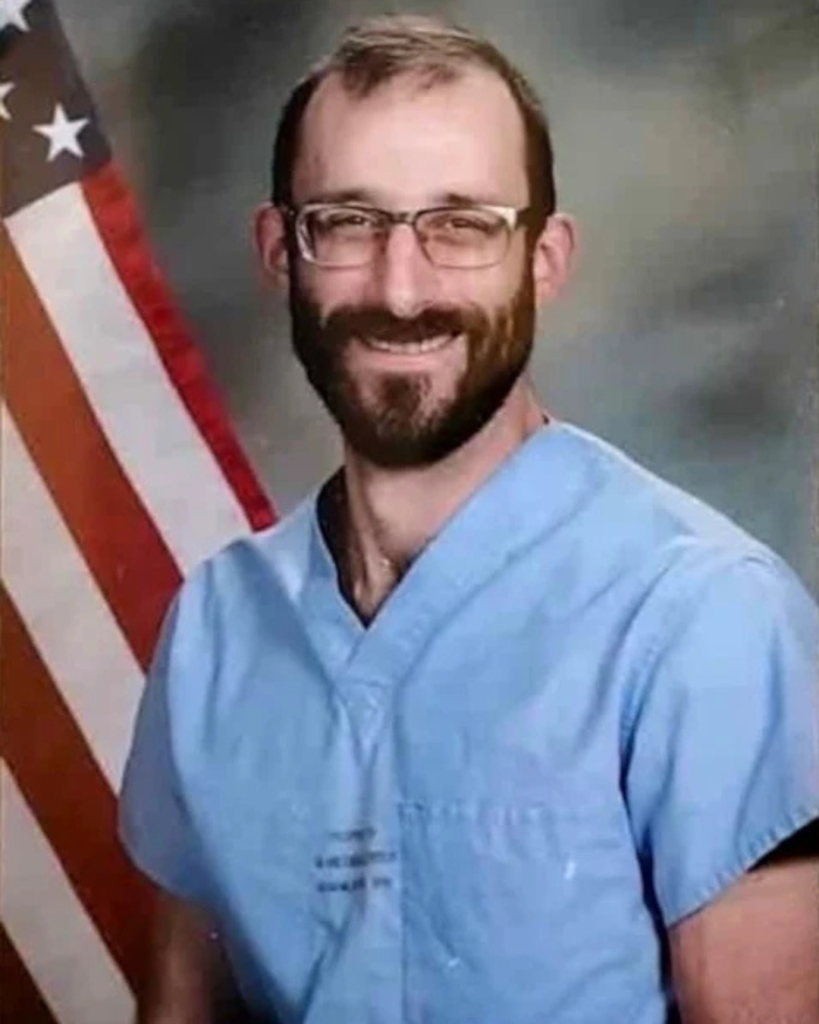
- The song is a direct artistic response to the shootings of Alex Pretti and Renee Good in Minneapolis during ICE enforcement operations, incidents that have ignited protests and national discourse.
- Springsteen’s lyrics describe federal agents as “King Trump’s private army” and call for remembrance, resistance, and justice.
- Social media reactions show broad admiration for Springsteen’s voice as an artist speaking out against injustice.
Springsteen shared that he wrote the song over a weekend and released it immediately as a direct response to what he described as “state terror being visited on the city of Minneapolis.” He dedicated the track to Minneapolis residents, immigrant neighbors, and in the memory of Alex Pretti and Renee Good, both of whom were killed during enforcement operations.
Credit: US Department of Veteran Affairs
The song opens with stark imagery:
“A city aflame fought fire and ice,
’Neath an occupier’s boots…
King Trump’s private army…”
Springsteen sings over his signature blend of rock and roots instrumentation, including backing from the E Street Band and a chorus chanting “ICE Out Now!”, transforming protest slogans heard on the ground into a powerful musical refrain.
This isn’t Springsteen’s first protest track. Throughout his career he has used music to grapple with social issues, from working-class struggles to racial injustice. In 1993 he released “Streets of Philadelphia” about discrimination and illness, and in 2001 “American Skin (41 Shots)” about police violence.
The song’s very public criticism of federal policy and former President Donald Trump has sparked official reaction.
The White House called the protest song “irrelevant” and defended the administration’s stance on immigration enforcement, stating that the focus remains on working with local law enforcement to remove what they describe as “dangerous criminal illegal aliens” from communities.
Springsteen’s stance puts him in direct contrast with the administration’s public messaging, highlighting a deep cultural rift between artistic voices and political leadership over civil liberties, immigration, and the use of force.
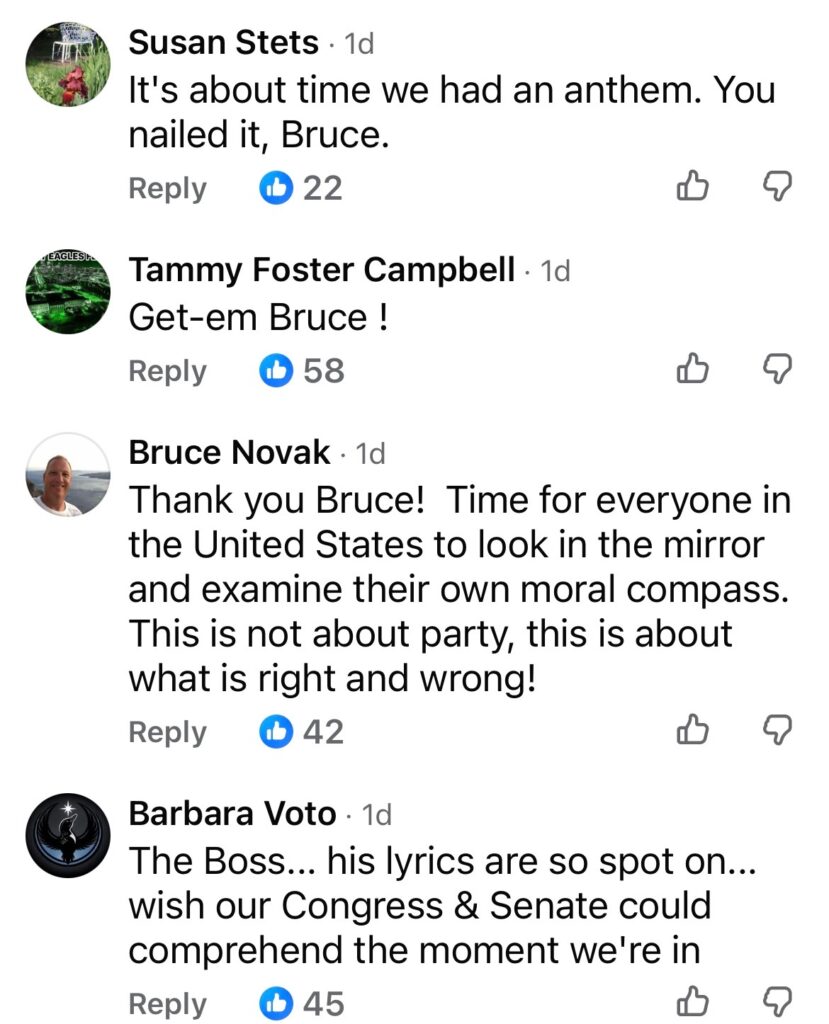
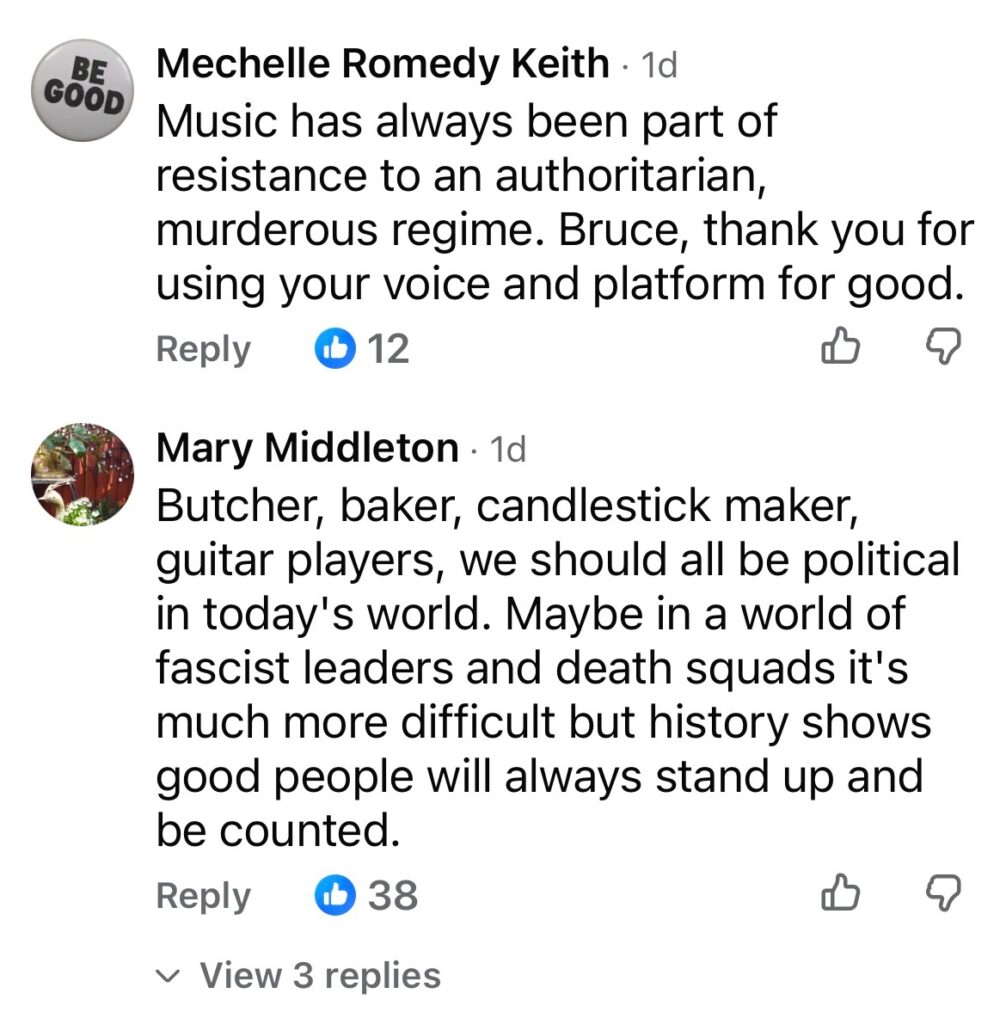
Springsteen’s fans and social commentators took to the internet in force, many expressing admiration for his willingness to speak out.
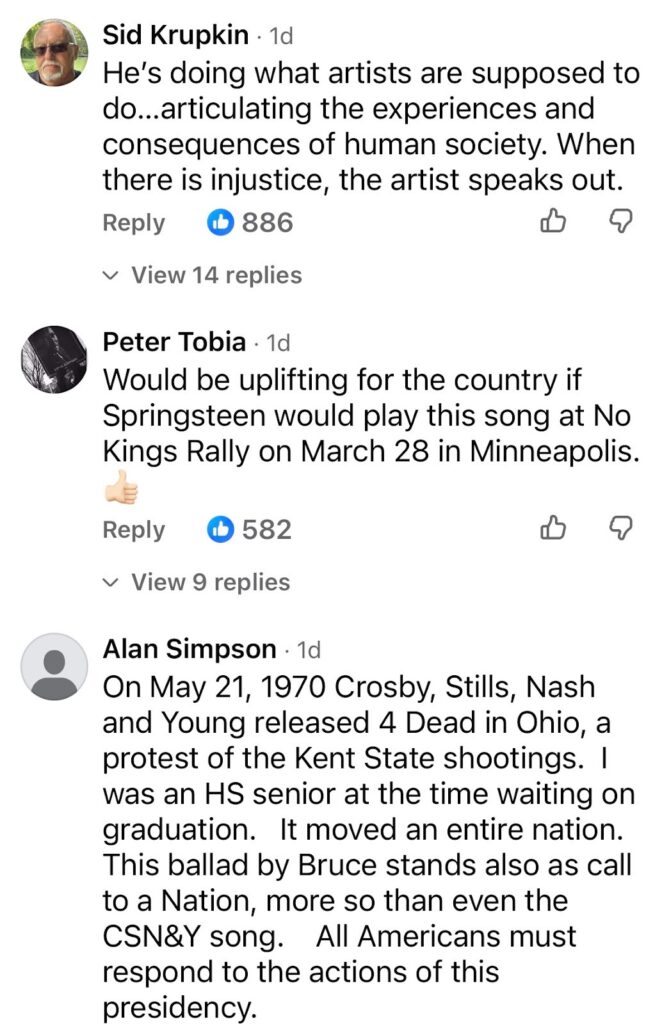
Sid Krupkin wrote:
“He’s doing what artists are supposed to do… articulating the experiences and consequences of human society. When there is injustice, the artist speaks out.”
Richard Spettell thanked Springsteen for his courage:
“Thanks Bruce for always speaking truth to power and having the courage of your convictions.”
Cindy Bachman noted the importance of music in storytelling:
“Some songs carry weight and tell the history of OUR country. A song can tell the story that headlines news won’t.”
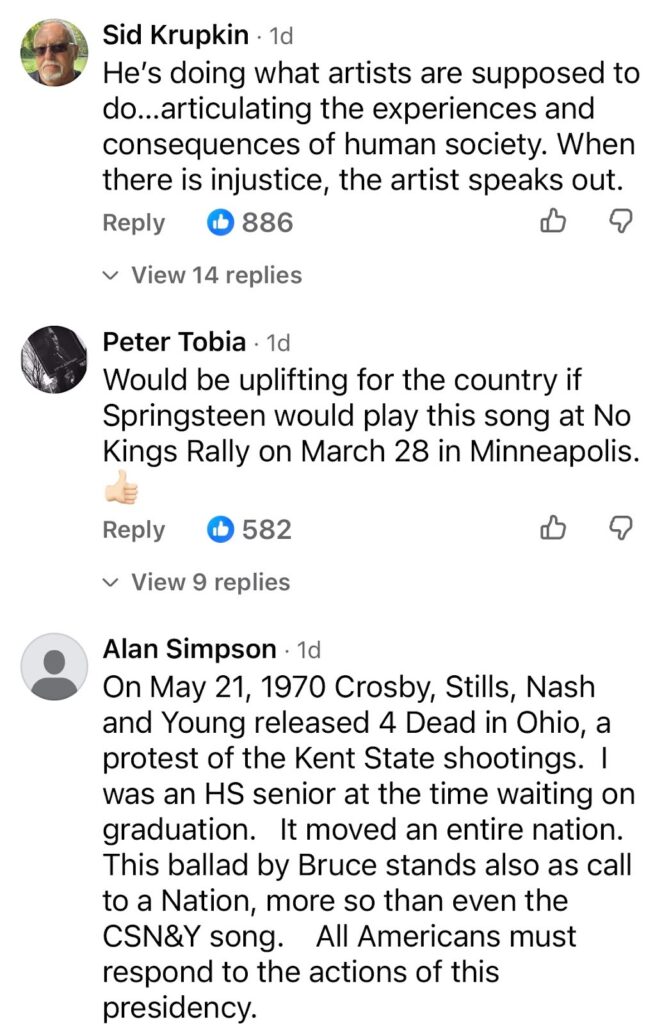
Peter Tobia suggested playing the song at future rallies:
“Would be uplifting for the country if Springsteen would play this at No Kings Rally on March 28 in Minneapolis.”
Alan Simpson linked the track to historic protest music:
“Like ‘4 Dead in Ohio,’ this song is a call to the nation. All Americans must respond…”
 Echoing others, many fans called the track an “anthem of our times,” urging resistance and reflection on justice, moral responsibility, and collective action.
Music has always been a companion to protest and social movements. From Bob Dylan to Neil Young, from Public Enemy to Rage Against the Machine, artists have used their platforms to channel public sentiment and challenge authority.
With “Streets of Minneapolis,” Springsteen not only memorializes two lives lost in a controversial moment, but situates Minneapolis, and broader U.S. debates over immigration enforcement, within a historical musical tradition of protest. The song’s references to police raids, federal forces, and chants for “ICE out now” echo what protesters experienced on the ground and what critics see as government overreach.
Fans online have shared full lyric threads, performances, and reactions, some calling the song a generational anthem, others noting its directness compared with Springsteen’s earlier work.
At its core, “Streets of Minneapolis” is both a tribute and a message:
- A dedication to those who died amid violent enforcement.
- A call for justice and remembrance.
- A reminder of the power of art to respond to pain, anger, and collective heartbreak.
Whether you view the song as protest, poetry, or political music, its release has generated one thing clearly: conversation and passion, from listeners, commentators, and artists alike.
For more such content, visit us at Simply Wholesome.











Leave a comment