

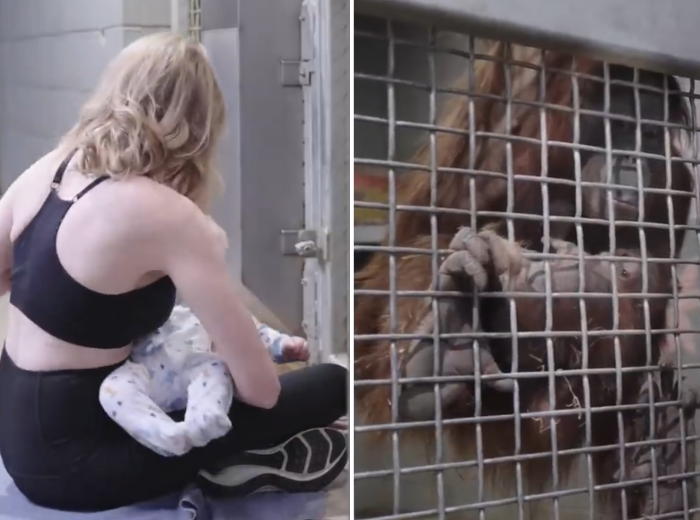
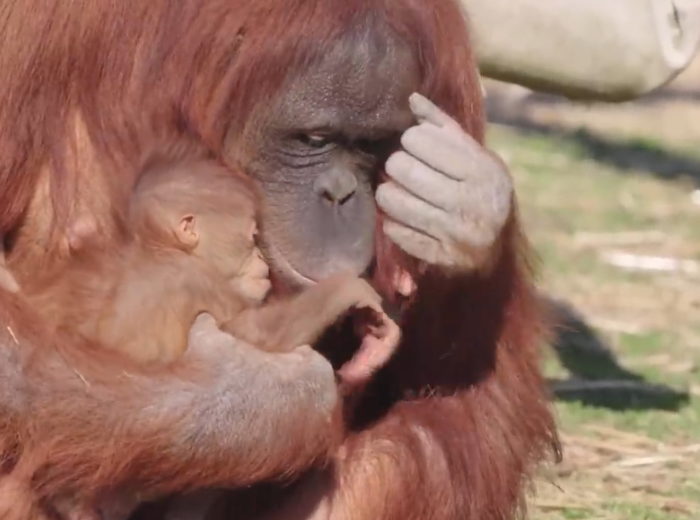
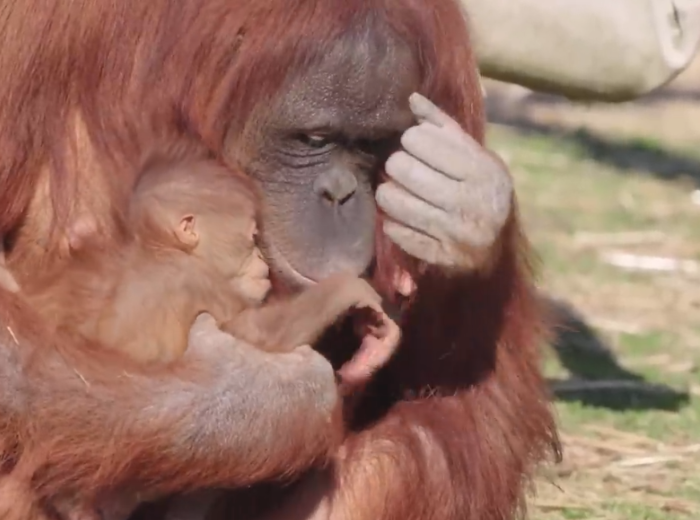
At first, it looks like a quiet moment between a new mother and her baby. But what unfolds is something far more extraordinary. A first-time orangutan mother, struggling to nurse her newborn, watches closely as a human caretaker demonstrates breastfeeding. Moments later, the orangutan applies what she’s learned, and begins feeding her baby successfully.
It’s a reminder that motherhood, learning, and compassion don’t belong to humans alone.
Credit: Metro Richmond Zoo/youtube
Key Takeaways
- Orangutans learn parenting behaviors through observation, not pure instinct
- Orphaned or inexperienced mothers may lack essential caregiving skills
- A zookeeper demonstrated breastfeeding instead of hand-raising the baby
- The orangutan successfully nursed her infant after observing the behavior
- The moment sparked emotional reactions across YouTube, Facebook, and Instagram
- The story highlights intelligence, empathy, and kinship across species
In the wild, young female orangutans spend up to 7–8 years watching their mothers care for siblings before becoming mothers themselves. This observational learning is crucial. Without it, first-time mothers may struggle with basic but life-saving behaviors like nursing.
In this case, the orangutan mother had not learned how to breastfeed. Rather than removing the baby for human feeding, a method that can interfere with bonding, the caretaker chose a different approach.
She modeled the act of breastfeeding.
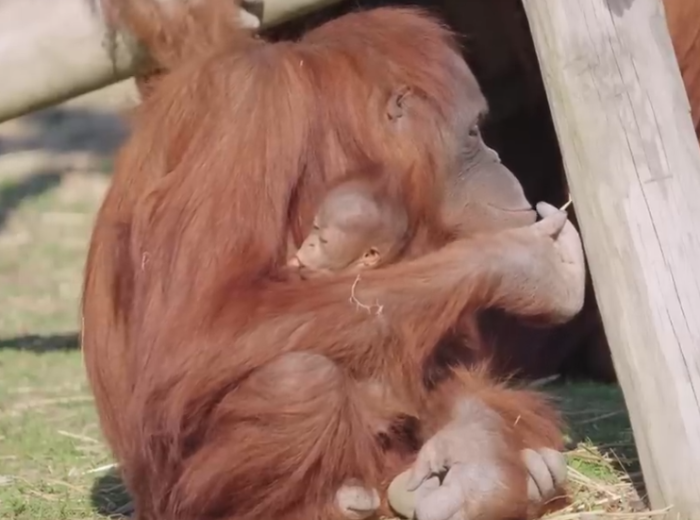
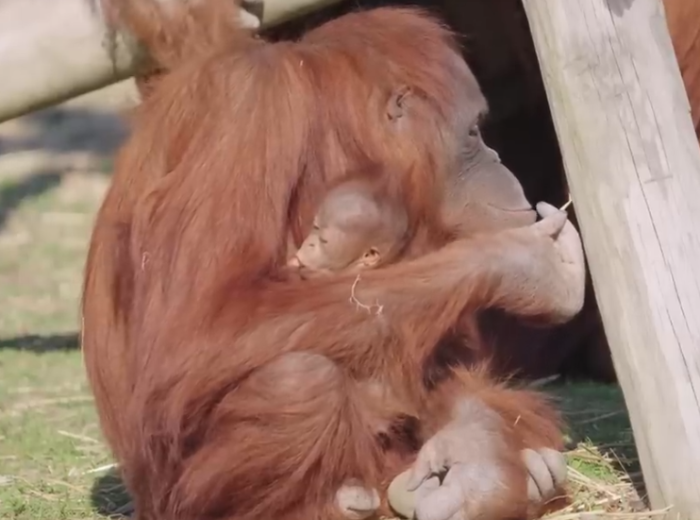
Orangutans share approximately 97% of their DNA with humans and are known for their advanced cognitive abilities, including imitation and problem-solving. After watching the caretaker, the orangutan adjusted her behavior and successfully latched her baby, allowing natural feeding to begin.
This outcome is significant. Hand-raised great apes often face long-term social and emotional challenges, while allowing a mother to raise her own infant, even with guidance, supports healthier development for both.
Credit: Metro Richmond Zoo/youtube
What could have become a clinical intervention instead became a moment of connection.
The video spread quickly, prompting an outpouring of reactions that ranged from emotional to humorous.
Daniel Ross reflected on the science behind the moment:
“So crazy this is a learned behavior not instinct.”

Janet LeComber responded simply:
“That is so lovely, good on you for doing that.”

Jasmine Cole added:
“Absolutely fantastic and so kind, thank you so much for showing her.”

Eve Summerill-Neel shared:
“I’m not a religious person, but acts like this are heaven sent.”

Jennifer Carver praised the creativity:
“Wow way to think outside of the box. Well done that’s brilliant.”

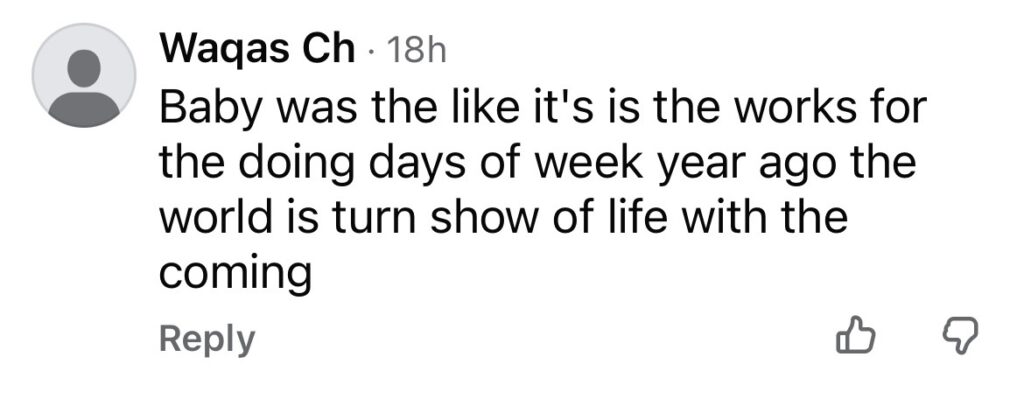
Waqas Ch commented poetically:
“Baby was the like it works for the doing days of week year ago the world is turn show of life with the coming.”
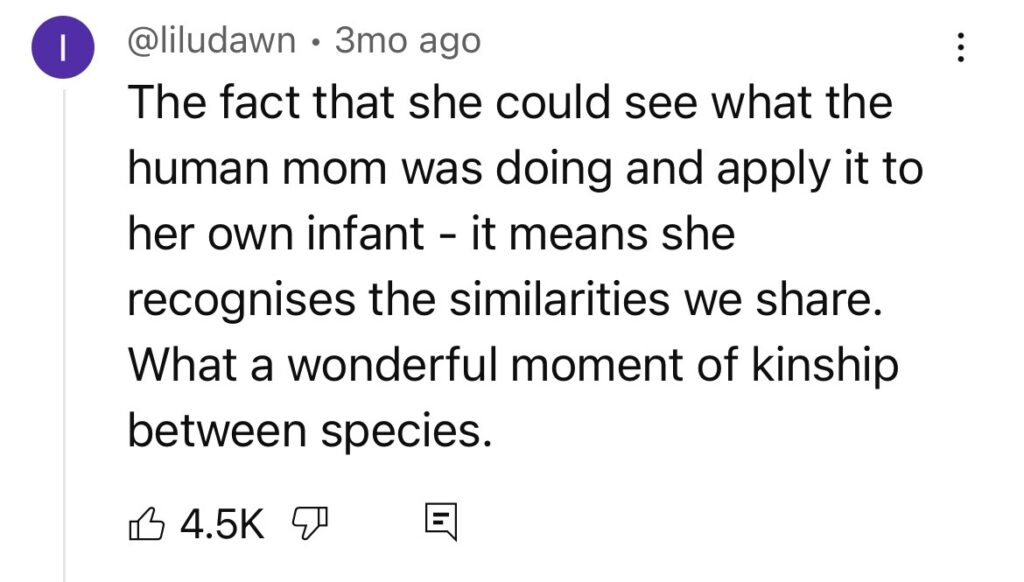
liludawn highlighted the deeper meaning:
“The fact that she could see what the human mom was doing and apply it to her own infant means she recognises the similarities we share.”
Msamyoed6505 emphasized learning and motherhood:
“Orphaned babies will miss out on the critical skill transformation needed to allow healthy parenting. Bravo to this creative method.”
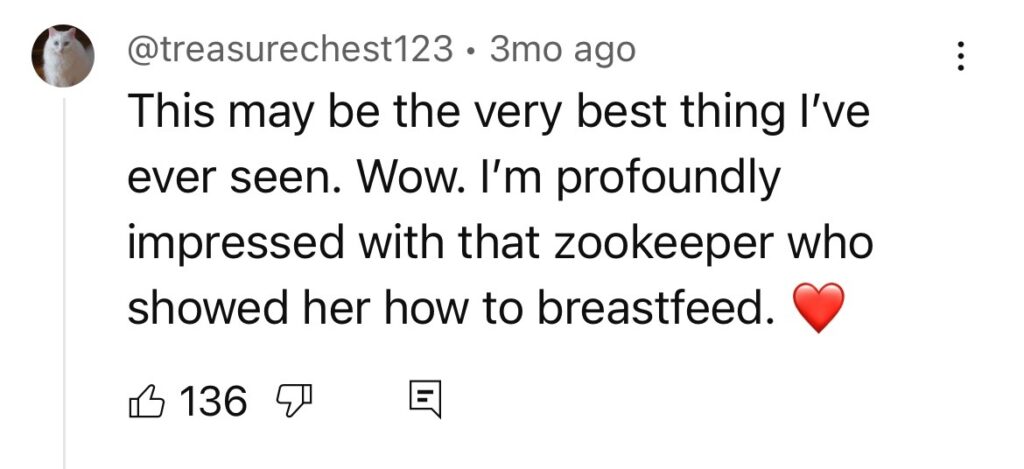
treasurechest123 shared:
“This may be the very best thing I’ve ever seen. Wow. I’m profoundly impressed with that zookeeper.”
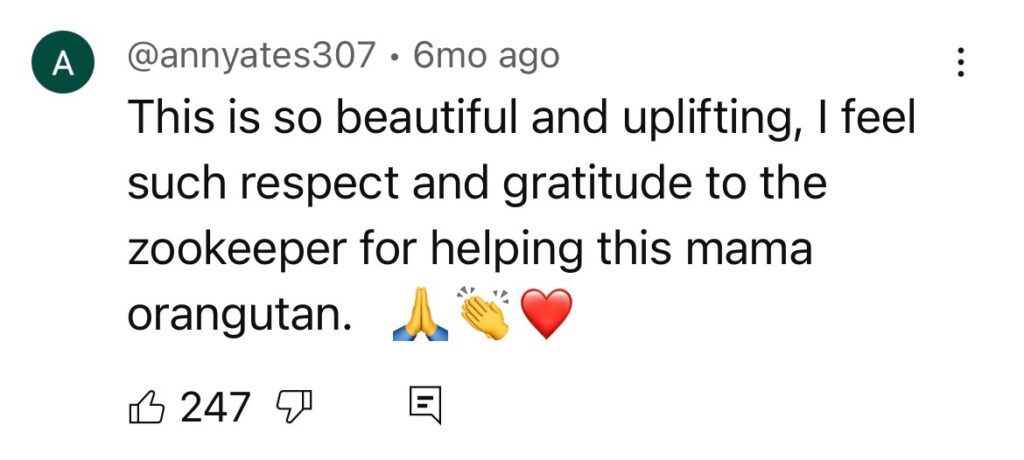
annyates307 added:
“This is so beautiful and uplifting, I feel such respect and gratitude to the zookeeper.”
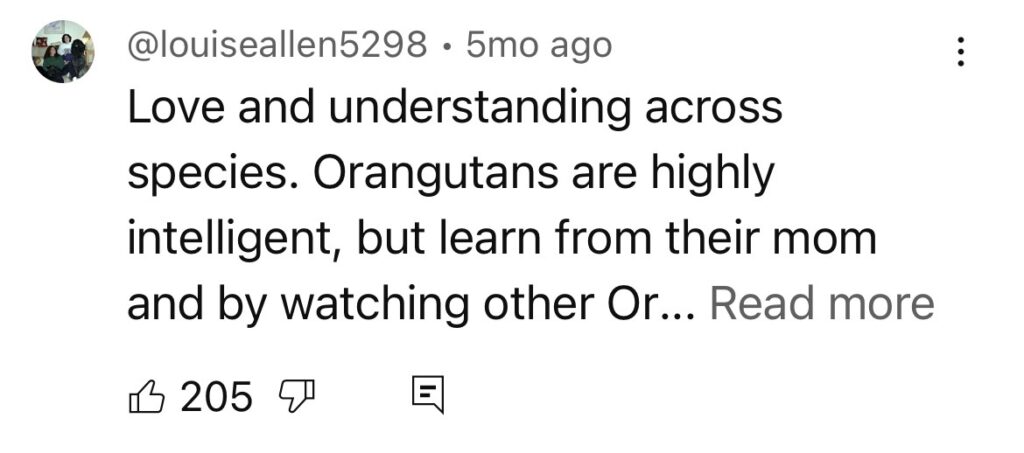
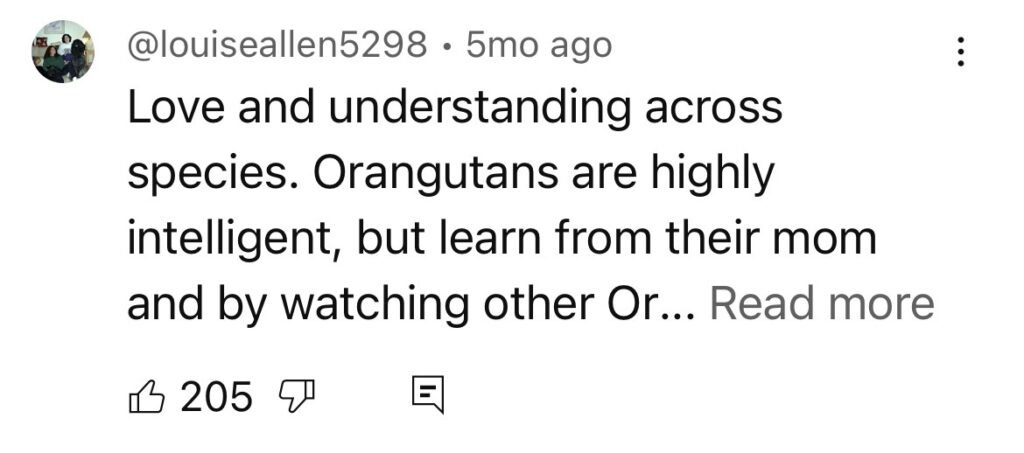
louiseallen5298 explained the biology behind it:
“Orangutans are highly intelligent, but learn from their mom and by watching others. This example was all she needed.”
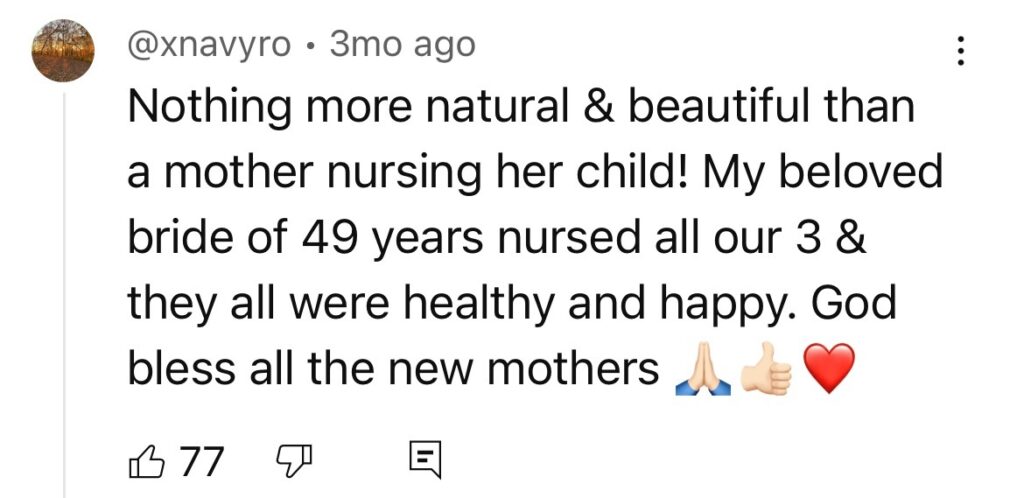
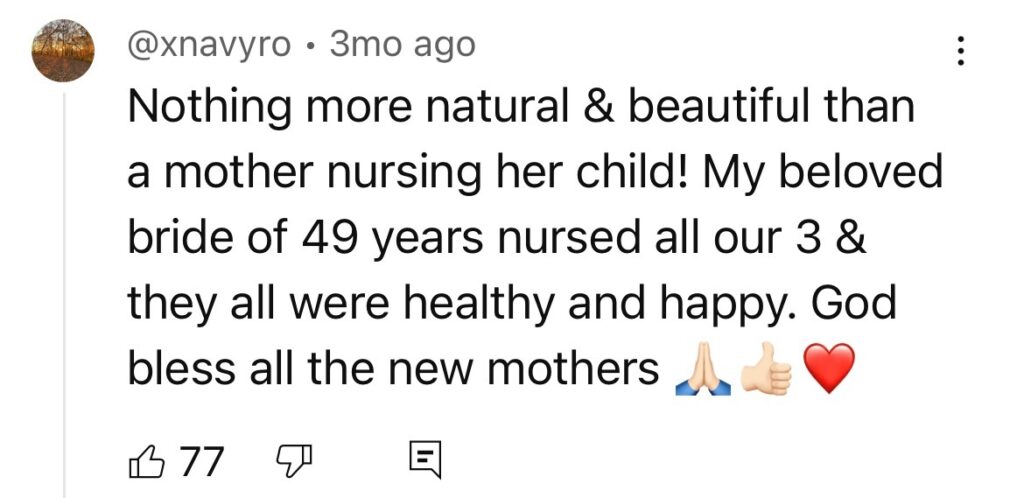
xnavyro reflected personally:
“Nothing more natural & beautiful than a mother nursing her child.”
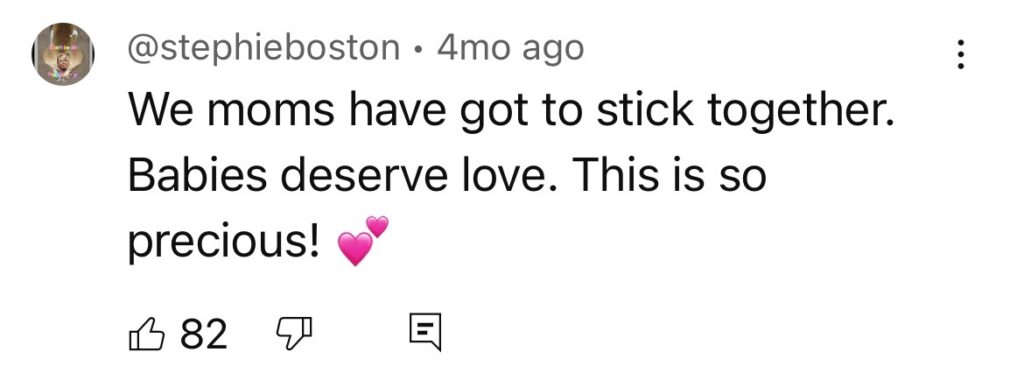
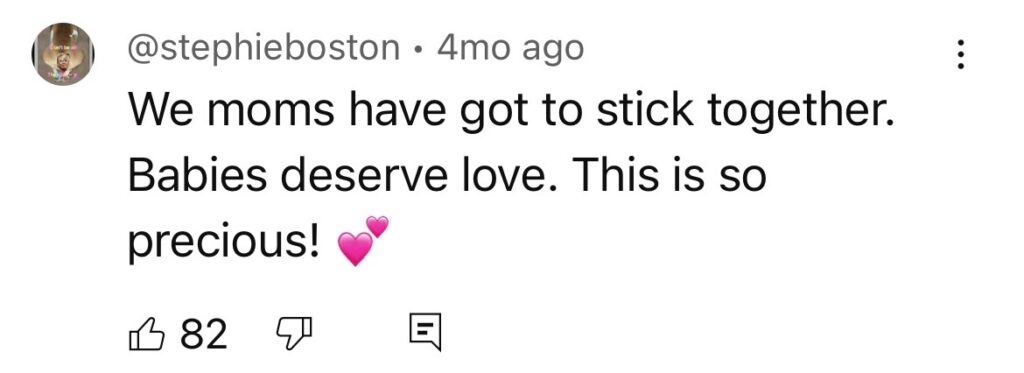
stephieboston summed it up perfectly:
“We moms have got to stick together. Babies deserve love.”
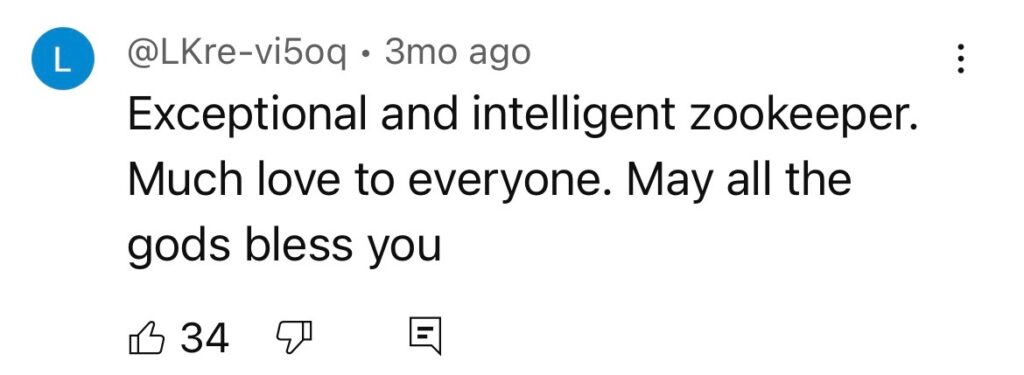
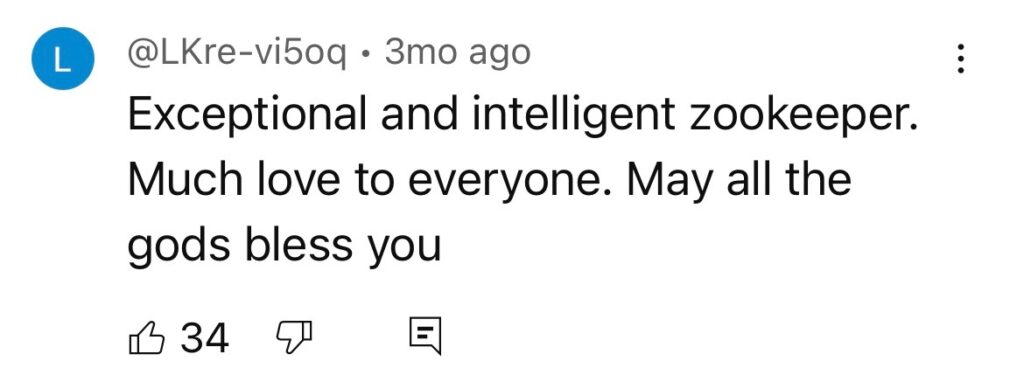
Kre-vi5oq praised the caretaker:
“Exceptional and intelligent zookeeper. Much love to everyone.”
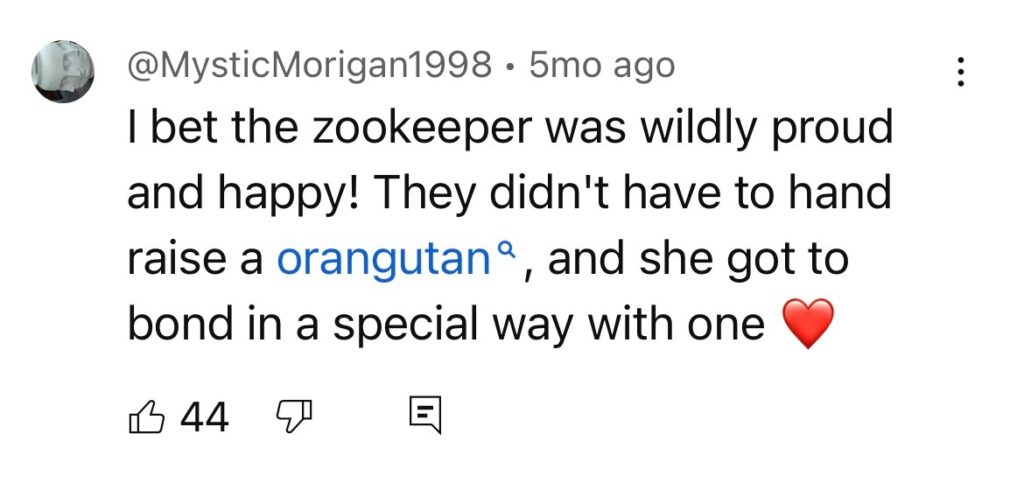
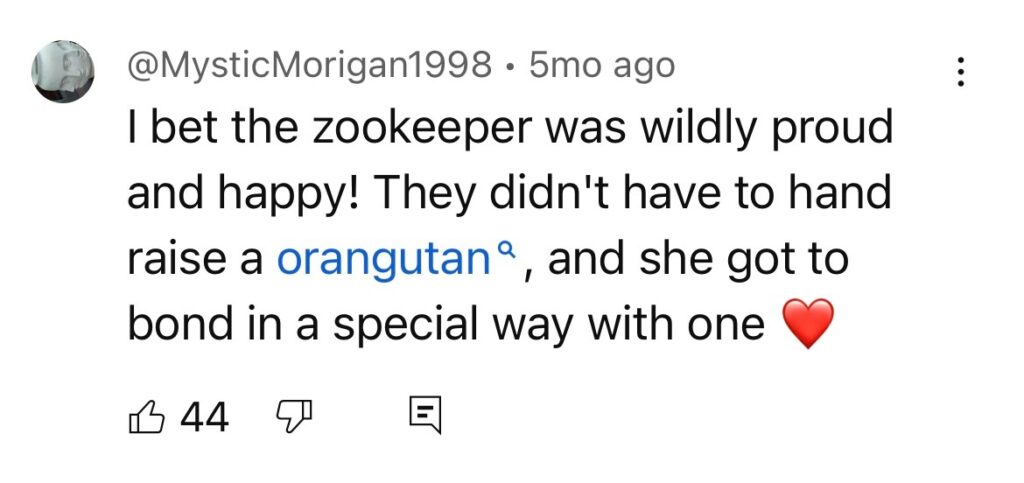
MysticMorigan1998 noted the long-term impact:
“They didn’t have to hand raise her. She got to bond with her baby.”
Across platforms, people weren’t just reacting to a cute moment, they were responding to what it symbolized: empathy, patience, and shared biology bridging species lines.
Moments like this remind us that compassion is universal, learning is shared, and connection doesn’t stop at species boundaries. Sometimes, the most powerful care comes not from control, but from understanding.
If stories rooted in kindness, intelligence, and unexpected human–animal connection move you, Simply Wholesome shares more moments that restore faith in the world.
Visit our website for stories that remind us what empathy really looks like.At first, it looks like a quiet moment between a new mother and her baby. But what unfolds is something far more extraordinary. A first-time orangutan mother, struggling to nurse her newborn, watches closely as a human caretaker demonstrates breastfeeding. Moments later, the orangutan applies what she’s learned, and begins feeding her baby successfully.
It’s a reminder that motherhood, learning, and compassion don’t belong to humans alone.
Credit: Metro Richmond Zoo/youtube
Key Takeaways
- Orangutans learn parenting behaviors through observation, not pure instinct
- Orphaned or inexperienced mothers may lack essential caregiving skills
- A zookeeper demonstrated breastfeeding instead of hand-raising the baby
- The orangutan successfully nursed her infant after observing the behavior
- The moment sparked emotional reactions across YouTube, Facebook, and Instagram
- The story highlights intelligence, empathy, and kinship across species
In the wild, young female orangutans spend up to 7–8 years watching their mothers care for siblings before becoming mothers themselves. This observational learning is crucial. Without it, first-time mothers may struggle with basic but life-saving behaviors like nursing.
In this case, the orangutan mother had not learned how to breastfeed. Rather than removing the baby for human feeding, a method that can interfere with bonding, the caretaker chose a different approach.
She modeled the act of breastfeeding.
Orangutans share approximately 97% of their DNA with humans and are known for their advanced cognitive abilities, including imitation and problem-solving. After watching the caretaker, the orangutan adjusted her behavior and successfully latched her baby, allowing natural feeding to begin.
This outcome is significant. Hand-raised great apes often face long-term social and emotional challenges, while allowing a mother to raise her own infant, even with guidance, supports healthier development for both.
Credit: Metro Richmond Zoo/youtube
What could have become a clinical intervention instead became a moment of connection.
The video spread quickly, prompting an outpouring of reactions that ranged from emotional to humorous.
Daniel Ross reflected on the science behind the moment:
“So crazy this is a learned behavior not instinct.”

Janet LeComber responded simply:
“That is so lovely, good on you for doing that.”

Jasmine Cole added:
“Absolutely fantastic and so kind, thank you so much for showing her.”

Eve Summerill-Neel shared:
“I’m not a religious person, but acts like this are heaven sent.”

Jennifer Carver praised the creativity:
“Wow way to think outside of the box. Well done that’s brilliant.”

Waqas Ch commented poetically:
“Baby was the like it works for the doing days of week year ago the world is turn show of life with the coming.”
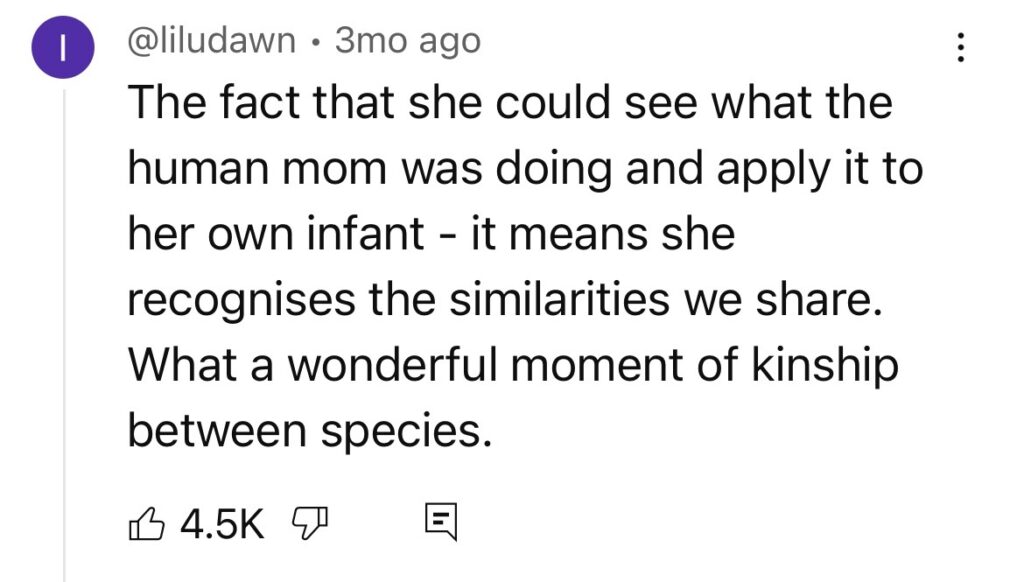
liludawn highlighted the deeper meaning:
“The fact that she could see what the human mom was doing and apply it to her own infant means she recognises the similarities we share.”
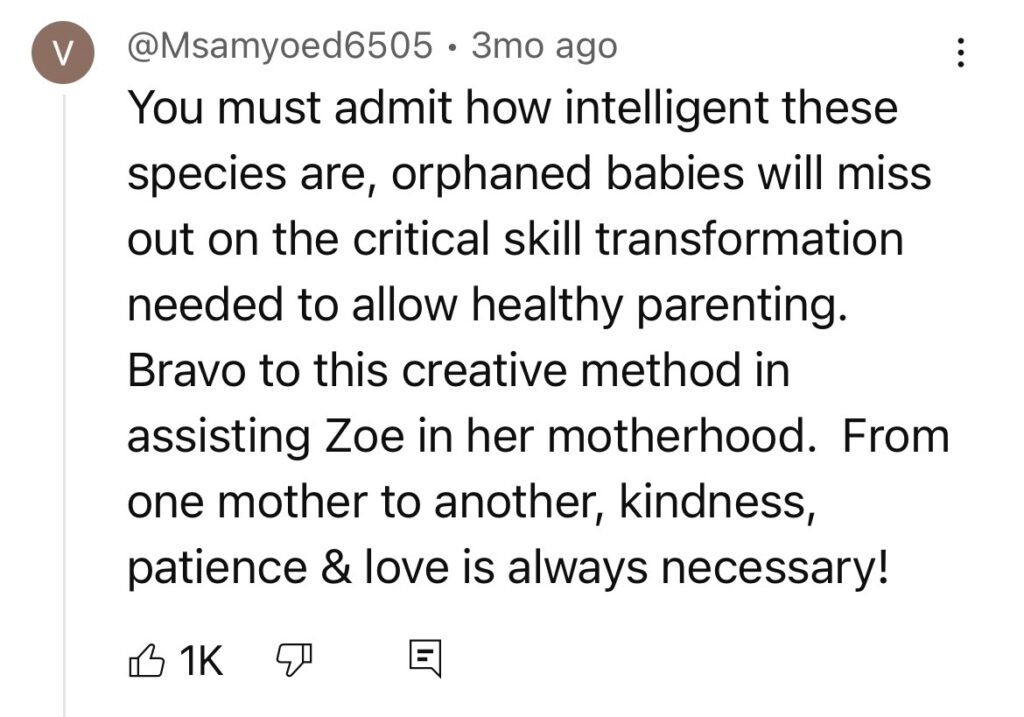
Msamyoed6505 emphasized learning and motherhood:
“Orphaned babies will miss out on the critical skill transformation needed to allow healthy parenting. Bravo to this creative method.”
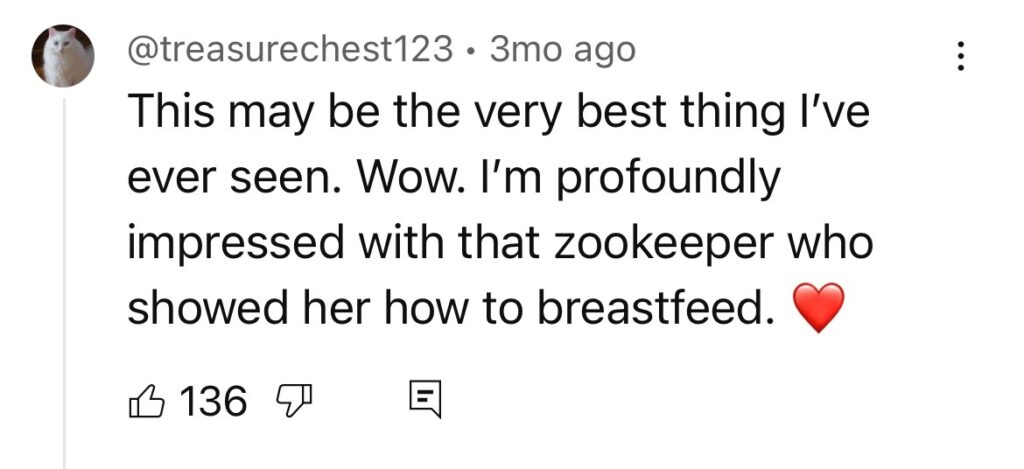
treasurechest123 shared:
“This may be the very best thing I’ve ever seen. Wow. I’m profoundly impressed with that zookeeper.”
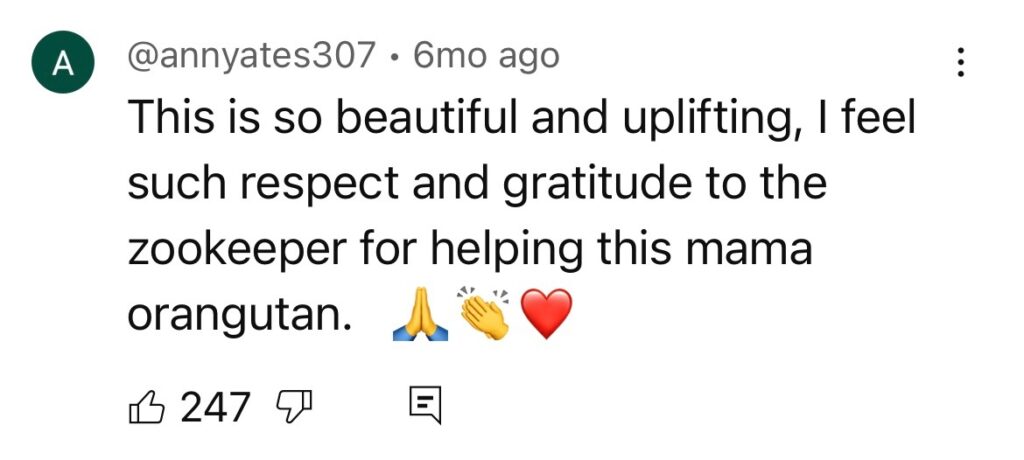
annyates307 added:
“This is so beautiful and uplifting, I feel such respect and gratitude to the zookeeper.”
louiseallen5298 explained the biology behind it:
“Orangutans are highly intelligent, but learn from their mom and by watching others. This example was all she needed.”
xnavyro reflected personally:
“Nothing more natural & beautiful than a mother nursing her child.”
stephieboston summed it up perfectly:
“We moms have got to stick together. Babies deserve love.”
Kre-vi5oq praised the caretaker:
“Exceptional and intelligent zookeeper. Much love to everyone.”
MysticMorigan1998 noted the long-term impact:
“They didn’t have to hand raise her. She got to bond with her baby.”
Across platforms, people weren’t just reacting to a cute moment, they were responding to what it symbolized: empathy, patience, and shared biology bridging species lines.
Moments like this remind us that compassion is universal, learning is shared, and connection doesn’t stop at species boundaries. Sometimes, the most powerful care comes not from control, but from understanding.
If stories rooted in kindness, intelligence, and unexpected human–animal connection move you, Simply Wholesome shares more moments that restore faith in the world.
Visit our website for stories that remind us what empathy really looks like.







Leave a comment