

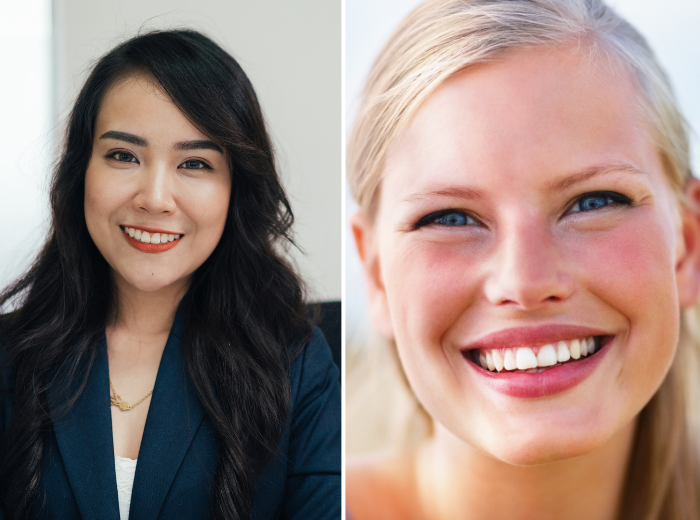
image credits: iStock
Beauty trends come and go, but every now and then, one swings so far that people start craving the exact thing it tried to erase.
That’s exactly what’s happening right now with teeth.
Key Takeaways
- Ultra-perfect veneer smiles have become common in celebrity and influencer culture.
- Many people now feel nostalgic for natural, unique teeth.
- Hyper-uniform beauty standards can make faces look artificial or interchangeable.
- Small imperfections often add character and relatability to appearance.
For decades, straight white smiles were the goal. Braces, whitening, a little cosmetic work, all pretty normal. But in recent years, celebrity and influencer culture has pushed smiles into hyper-perfection: ultra-white, ultra-straight, identical veneers that look less like teeth and more like porcelain tiles.
And something unexpected is happening.
People are starting to miss real teeth.
Scroll through older celebrity photos from the ’90s and early 2000s and one thing stands out immediately: everyone’s smile looked different.
Tiny gaps. Slight overlaps. Rounded edges. A little asymmetry. Teeth that belonged to a face instead of sitting on top of it.
Today, many high-profile smiles follow the same template: bright, flat, evenly sized veneers that erase quirks and character. Technically flawless. But also strangely interchangeable.
As one commenter put it:
“I miss how human everyone looked.”
Online, people have been sharing throwback images of actors and public figures before the veneer era, and the reactions are surprisingly emotional.
Not because those smiles were objectively “better,” but because they felt real.
Comments poured in like:
- “Real teeth give people character.”
- “Is it weird to miss regular looking people?”
- “Everyone looks the same now.”
- “We weren’t dentally inclusive, they were just the beauty standard then.”
That last one hits something important: many of those faces were considered beautiful at the time. Nothing changed about them, only the standard shifted.
Beauty has always had trends. But modern cosmetic culture moves faster and spreads wider than ever, amplified by filters, editing apps, and algorithm-driven aesthetics.
When one look becomes dominant – full lips, sculpted nose, smooth skin, ultra-perfect teeth – individuality starts to blur.
Faces become polished… but also less distinct.
That’s why people describe today’s hyper-perfect look as “uncanny.” It’s not that perfection is ugly. It’s that too much uniform perfection starts to feel artificial.
Humans aren’t meant to look mass-produced.
The backlash against overly uniform smiles isn’t really about teeth. It’s about recognition.
We connect to faces that feel lived-in, expressive, slightly imperfect – because that’s how real people look.
A tiny gap or crooked edge doesn’t register to most people as a flaw. It registers as personality. Familiarity. Warmth.
Which might explain why, in a culture chasing perfection, people are suddenly nostalgic for something as simple as natural teeth.
It’s stories like these that bring people together and remind us of what truly matters. Small moments of care, empathy, and love can leave a lasting impact – not just on those involved, but on everyone who hears them.
Find more meaningful, feel-good stories on Simply Wholesome and stay connected with moments that uplift and inspire.









Leave a comment