

Imagine walking through an old cemetery and stopping at a stone that doesn’t mark a queen or a warrior, but a dog. That’s not just a modern idea. In ancient Rome, thousands of years ago, people honored their canine companions with the same heartfelt emotion and care we feel today.
Credit: iStock
Archaeologists and historians have uncovered grave markers and tomb inscriptions that prove Ancient Romans didn’t see dogs as mere animals. They were friends, protectors, playmates, family. And the words that owners carved on their dogs’ graves are as moving today as they were nearly 2,000 years ago.
Key Takeaways
- Ancient Romans honored their dogs with deeply emotional epitaphs that show love, grief, and intimacy long before modern pet culture.
- These epitaphs were written in Latin on tombstones and graves, showing loyalty, silent friendship, and tearful goodbyes.
- Archaeological and historical evidence indicates dogs were treasured family members, not just workers or guardians.
- Modern responses show that reading these ancient inscriptions continues to touch people’s hearts across time.
According to Roman author Pliny the Elder (23–79 A.D.), dogs were “man’s most faithful companion”, a bond built not just on duty, but on recognition and devotion. He wrote that a dog knows its master’s voice and will remain at a master’s side even after death.
But it’s the epitaphs themselves, the words etched into stone, that tell the deepest story of love.
These epitaphs memorialize dogs entirely as beloved beings, each with personality, loyalty, and place in the heart of their human family. Here are examples translated from the original Latin (which once encircled ancient tombs):
“Myia never barked without reason. But now she is silent.”
A simple but profound tribute to a dog whose voice was trusted and valued in life.
“Surely even as thou liest dead in this tomb, I deem the wild beasts yet fear thy white bones.”
A poetic reflection on bravery, even beyond death.
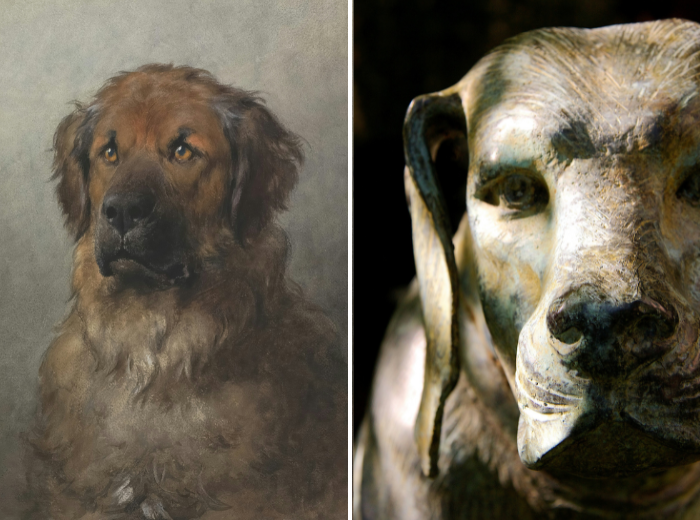
“My eyes were wet with tears, our little dog, when I bore you to the grave… Never again shall you give me a thousand kisses. Never can you be contentedly in my lap. In sadness have I buried you…”
unsplash
This long epitaph shows deep grief and intimate memory, a farewell that speaks as honestly as any human inscription.
“Here the stone says it holds the white dog from Melita, the most faithful guardian…”
A testament to loyalty that endured beyond life’s end.
“Ye who pass this monument laugh not, I pray thee, for this is a dog’s grave.”
Considerate words reminding passersby that this was a life cherished and mourned.
These words are not random lines, they reflect the heartfelt mourning of people whose dogs were treasured companions.
Across cultures and centuries, many humans see dogs as more than pets, they are confidants, silent shoulder-leaners, playful spirits, and anchors in lonely moments.
Archaeological evidence supports this emotional bond:
- Roman mosaics and art often depict dogs in family scenes.
- Dogs appear in household mosaics, such as Pompeii’s famous cave canem (“Beware of dog”), a protective symbol at entrances.
- Funerary inscriptions show owners thought deeply about the grief and memory of a beloved dog.
The dog epitaphs show that grief and love are not new emotions, they are shared human experiences that connect us to people from the distant past.
Many people feel a deep connection to this ancient practice, as seen in social platform discussions:
- One Reddit user shared a full Roman inscription expressing tears and sorrow at laying a dog to rest, a message many felt was “more moving than most poetry.”
- Others highlight simple phrases like “Myia never barked without reason,” showing how owners remembered their pets with genuine affection.
- Another commenter noted how these old tributes resonate today, they capture universal loss.
These modern reflections echo a timeless truth: love and loss transcend eras. Though languages evolve and civilizations rise and fall, the way we remember those we cared for remains deeply similar.
When we look at these ancient epitaphs through a modern lens, we see that dogs were valued not just for usefulness but for personality. People mourned their pets with the same emotional depth they mourned humans and leave a lasting imprint, even on stone.
It connects us to the past and reminds us that in all ages, humans and animals share moments that matter. In grief and joy, play and comfort, these inscriptions tell us: dogs were and remain cherished companions.
Across thousands of years, from the cobblestones of ancient Rome to our social feeds today, one thing remains constant:
the love between humans and their dogs is enduring, profound, and deeply human. This isn’t just about history, it’s a reminder that emotional bonds, faithful companionship, and heartfelt mourning are universal parts of life.
If these ancient epitaphs moved you, share this piece with someone who loves dogs, or someone who has ever felt the deep companionship a pet brings. For more stories that celebrate human connection, compassion, and the timeless threads that bind us across generations, visit Simply Wholesome, where we uplift the moments that make life meaningful.















Leave a comment