
Credit: A Doll Like Me/Facebook
At a toy store, every child sees dolls in bright dresses, shiny shoes, and perfect faces. But for some children, especially those with disabilities or visible differences, there was always something missing: a toy that looked like them.
Then one woman decided to do something about it.
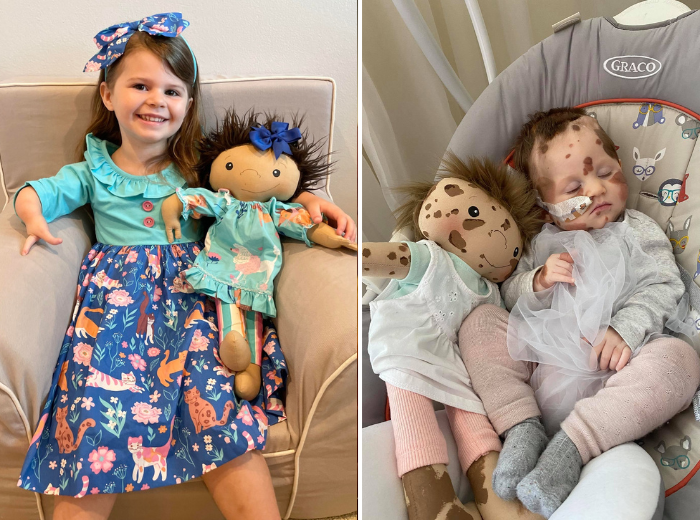
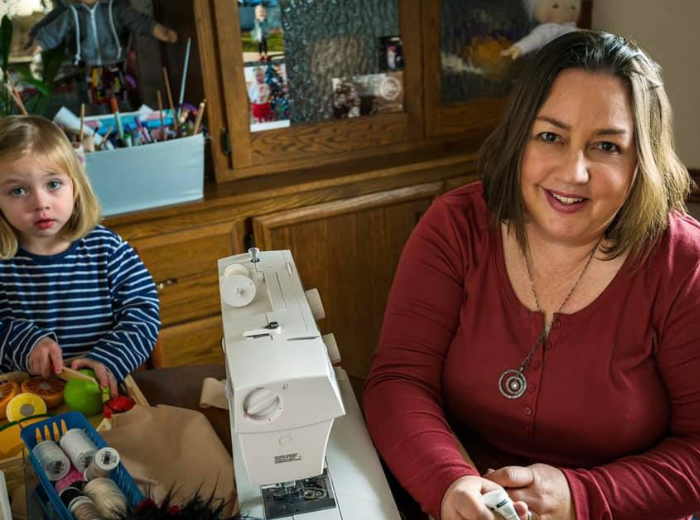
Her name is Amy, and she makes dolls that look exactly like the children who receive them.
Credit: A Doll Like Me/Facebook
Key Takeaways
- A doll maker, moved by the sadness of children with disabilities feeling invisible, now creates custom dolls that look exactly like the child who receives them.
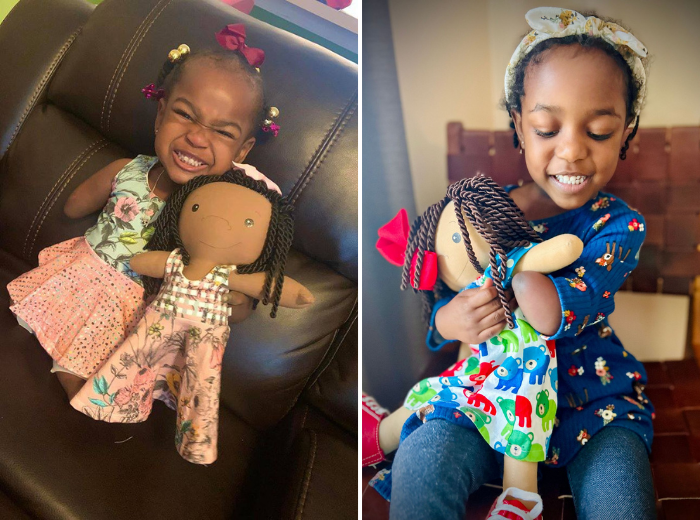
- These dolls include real features like scars, missing limbs, medical devices, and other unique traits, something rarely seen in toys.
- The project is completely free to families and supported by donations, spreading joy and affirmation to hundreds of children.
- Social media responses reflect admiration for the project’s impact and calls for wider representation in toy design.
Not just hair color. Not just skin tone.
Every detail that makes a child unique.
Missing limbs?
Scar from surgery?
Wearing a brace, a hearing aid, or a wheelchair?
Amy hand-sews those details into every doll.
Credit: A Doll Like Me/Facebook
Because she once saw how children with disabilities felt invisible, not reflected in the world of toys, and she knew that needed to change.
So she left her previous work and poured her love, skill, and time into making dolls that tell each child clearly:
You are seen. You are perfect. And you are beautiful just as you are.
You wouldn’t think a toy could change a life.
But for children who rarely see themselves in books, media, or playthings, a custom doll can be transformative.
For some kids, it’s the first time they’ve ever held something that looks like them.
For others, it’s reassurance that they belong, not on the outside of the world, but squarely in it.
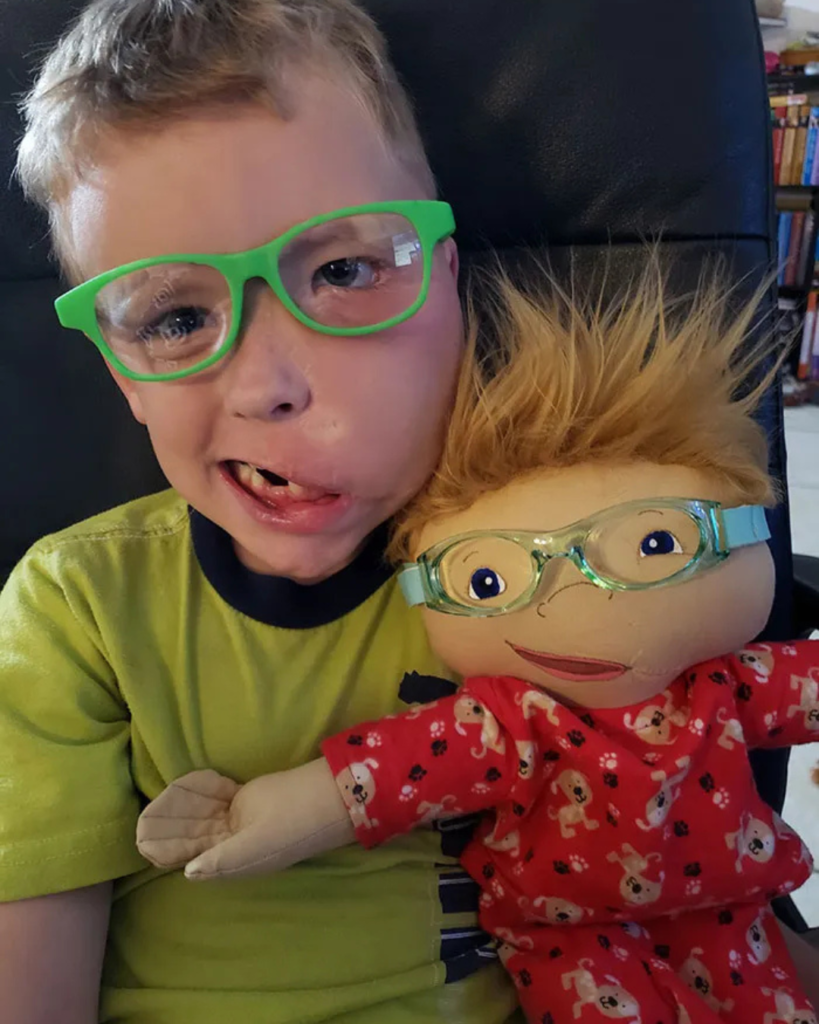
Credit: A Doll Like Me/Facebook
Parents have shared stories of tears, wide smiles, hugs that don’t let go. Teachers have said the dolls help children talk about their bodies and experiences in new ways. And families often describe these dolls as something that reaches parts of the heart that no medicine ever could.
One mom said that for the first time, her daughter didn’t feel like she needed to explain herself or apologize for her mobility device, because her doll already included it without hesitation.
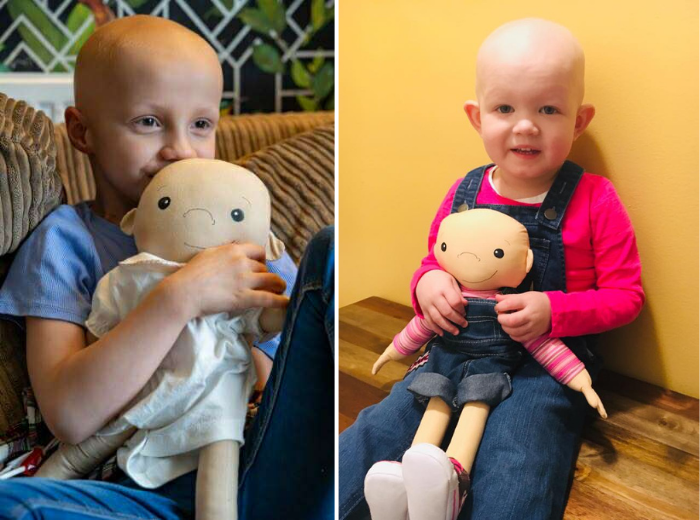
Credit: A Doll Like Me/Facebook
That kind of acceptance isn’t just symbolic.
It’s emotional healing.
Amy doesn’t charge families a cent.
Every single doll is given free, supported by donations from people inspired by the project.
There’s no price tag.
No exclusivity.
Just care.
Because the goal isn’t revenue.
The goal is representation.
The project has reached hundreds of children so far, a figure that continues to grow as photos of laughing kids and cuddled dolls spread on social media, each one a quiet declaration that not being “typical” does not mean not being worthy.
Social reactions capture why this project resonates so deeply:
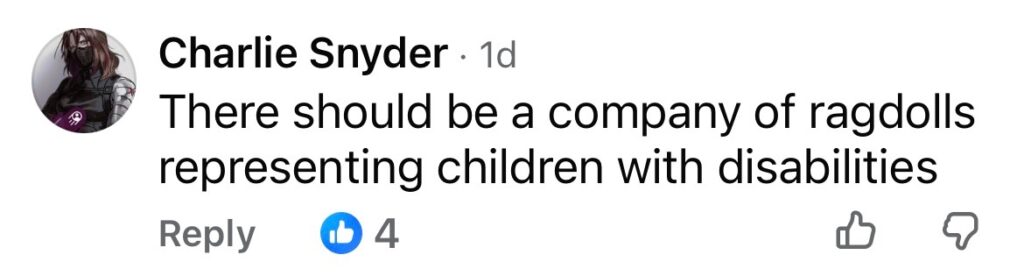
Charlie Snyder wrote:
“There should be a company of ragdolls representing children with disabilities.”
A simple idea, but one that many say could reshape how toys reflect the real world.
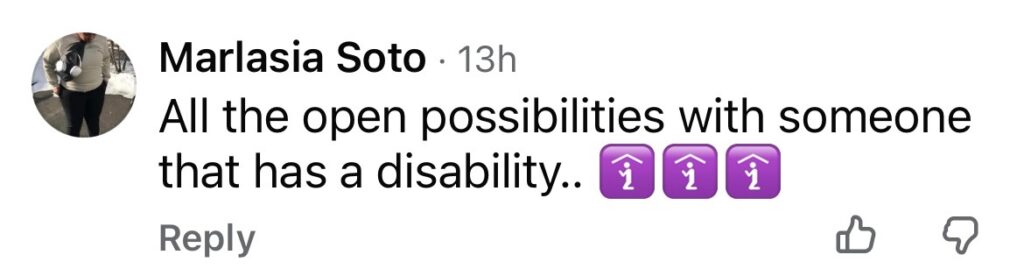
Marlasia Soto added:
“All the open possibilities with someone that has a disability…”
The comment reflects an understanding: representation expands imagination.
Across platforms, people praised the project not just for its craftsmanship, but for its heart, a term too often reserved for drama, but fully deserved here.
A toy can seem small.
But visibility is powerful.
Children learn who they are and how the world sees them through the things around them, books, shows, games, and yes, dolls.
When kids finally see themselves reflected in a toy, it isn’t just validation, it’s freedom.
Freedom from feeling “different.”
Freedom from hiding.
Freedom to play without apology.
And when children play with confidence, they learn to navigate the world with confidence, not as outsiders, but as participants.
That’s why Amy’s work is more than doll-making.
It’s love in tangible form.
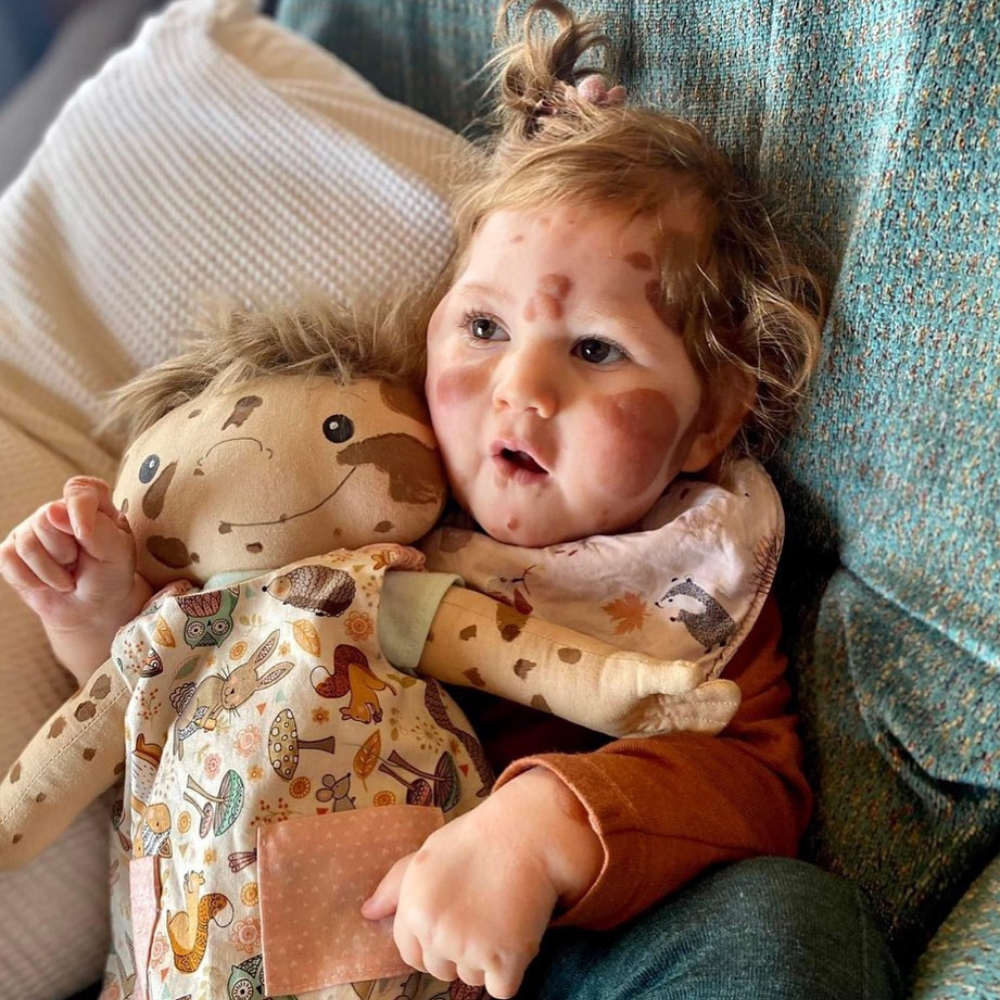
Credit: A Doll Like Me/Facebook
If stories like this, about kind creativity, inclusive representation, and the small acts that make a big emotional difference, warm your heart and expand your perspective, you’ll feel right at home at Simply Wholesome.
We shine a spotlight on real-life moments that remind us why empathy matters, why every child deserves to be seen, and why simple actions can ripple into deep transformation.
Visit us to read more stories that restore faith in humanity and celebrate the beauty of being uniquely you.









Leave a comment