

Credit: gracesg/instagram
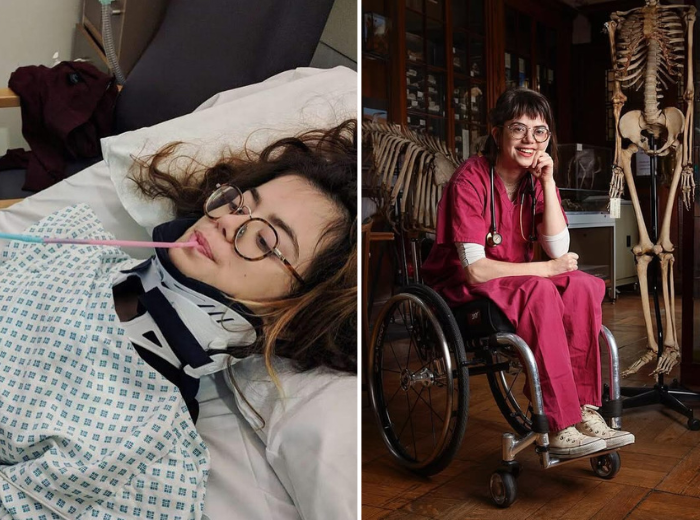
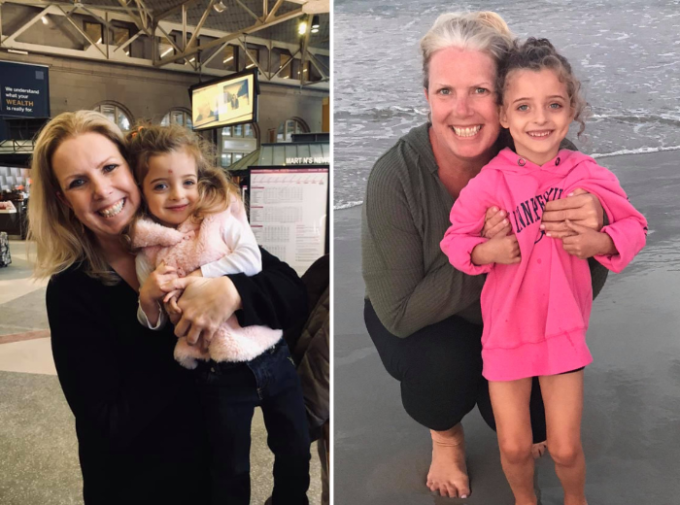
Grace Spence Green life changed in a single instant. What began as an ordinary walk through a shopping centre in East London became an event that would redefine her body, her future, and ultimately, her voice.
In October 2018, a stranger jumped from an upper floor and landed on Grace. The impact shattered her spine and damaged her spinal cord, leaving her paralysed from the chest down. Doctors told her she would never walk again. At the time, Grace was a medical student. She was young, driven, and deeply immersed in a profession that suddenly saw her on the other side of care.
Credit: gracesg/instagram
What followed was not a simple story of recovery, but something far more complex: acceptance, redefinition, and a refusal to let disability erase identity.
Key Takeaways
- Grace Spence Green was paralysed after a stranger fell on her in a shopping centre
- She returned to medicine and is training as a doctor, specialising in paediatrics
- Her philosophy of radical acceptance challenges harmful disability narratives
- Her story has inspired thousands to share their own experiences of sudden life change
- Disability, she argues, is not tragedy, it is a valid way of existing
After emergency surgery and months of rehabilitation, Grace was forced to confront not just physical loss, but the way disability is framed by society. She has spoken openly about how quickly narratives shift, from ambition to pity, from future potential to lowered expectations.
Instead of chasing a version of herself she could no longer be, Grace chose radical acceptance. She began questioning why disabled lives are so often framed as tragedies or inspiration stories, rather than full, meaningful existences.
Credit: gracesg/instagram
That perspective resonated deeply with people watching her interviews online.
One commenter, Derick Poremba-Brumer, shared how his own life changed in seconds after a motorcycle accident at 17 that left him in a five-month coma. Despite everything, he went on to earn two humanities degrees, a reminder that altered bodies do not erase intellectual or emotional growth.
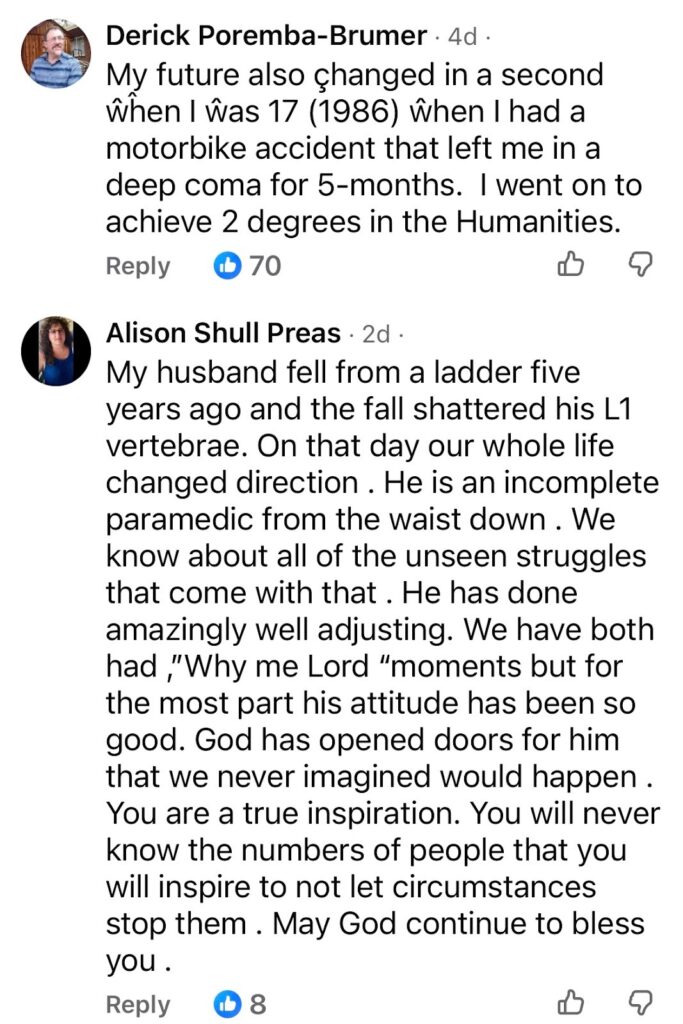
Others echoed the same truth: survival doesn’t look one way.
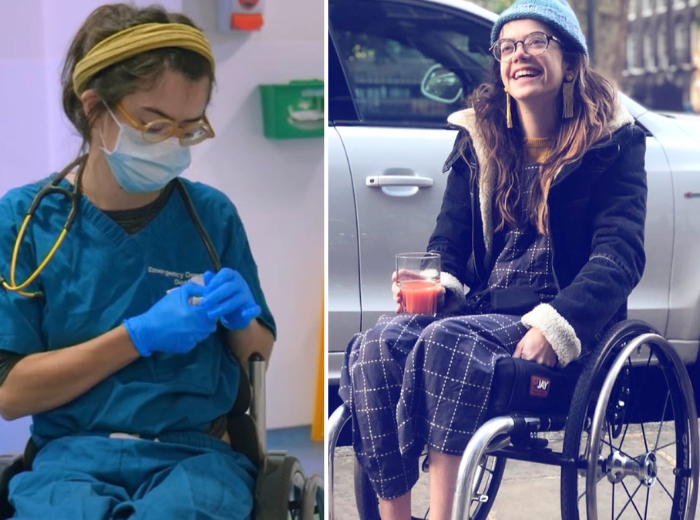
Grace eventually returned to her medical training, choosing not to leave medicine behind, but to reshape how she practices it. She is now training toward specialising in paediatrics, with a particular focus on disabled children, a group she believes deserves far more representation within healthcare.
Her return inspired admiration from across platforms.
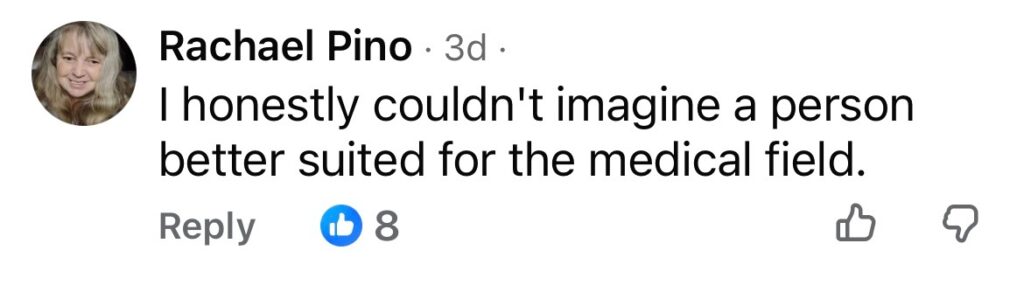
“I honestly couldn’t imagine a person better suited for the medical field,”
wrote Rachael Pino, reflecting a common sentiment among viewers who saw her lived experience as an asset, not a limitation.
Several people shared similar stories of life-altering injuries leading to unexpected paths.
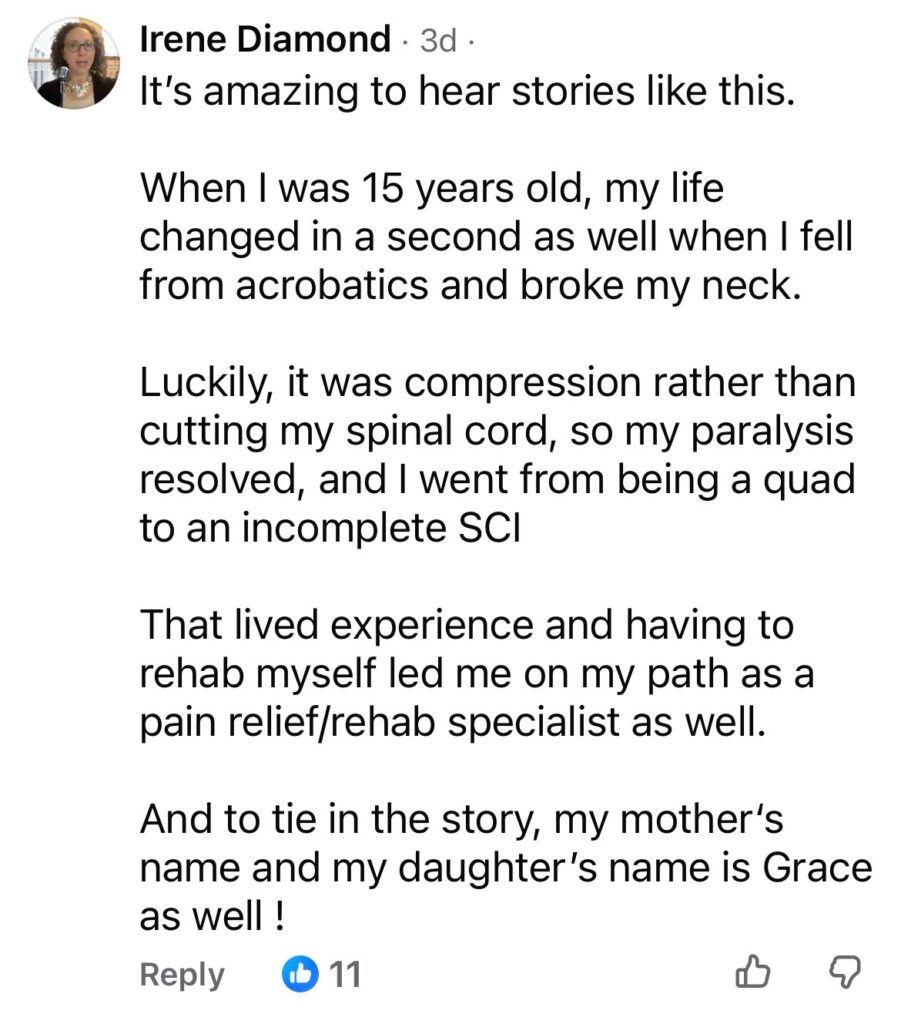
Irene Diamond described how breaking her neck as a teenager temporarily left her paralysed, an experience that ultimately led her into rehabilitation and pain relief work. She credited that lived experience for shaping her empathy — and noted the poetic coincidence that both her mother and daughter are named Grace.
Grace’s journey has also resonated with families navigating disability together.
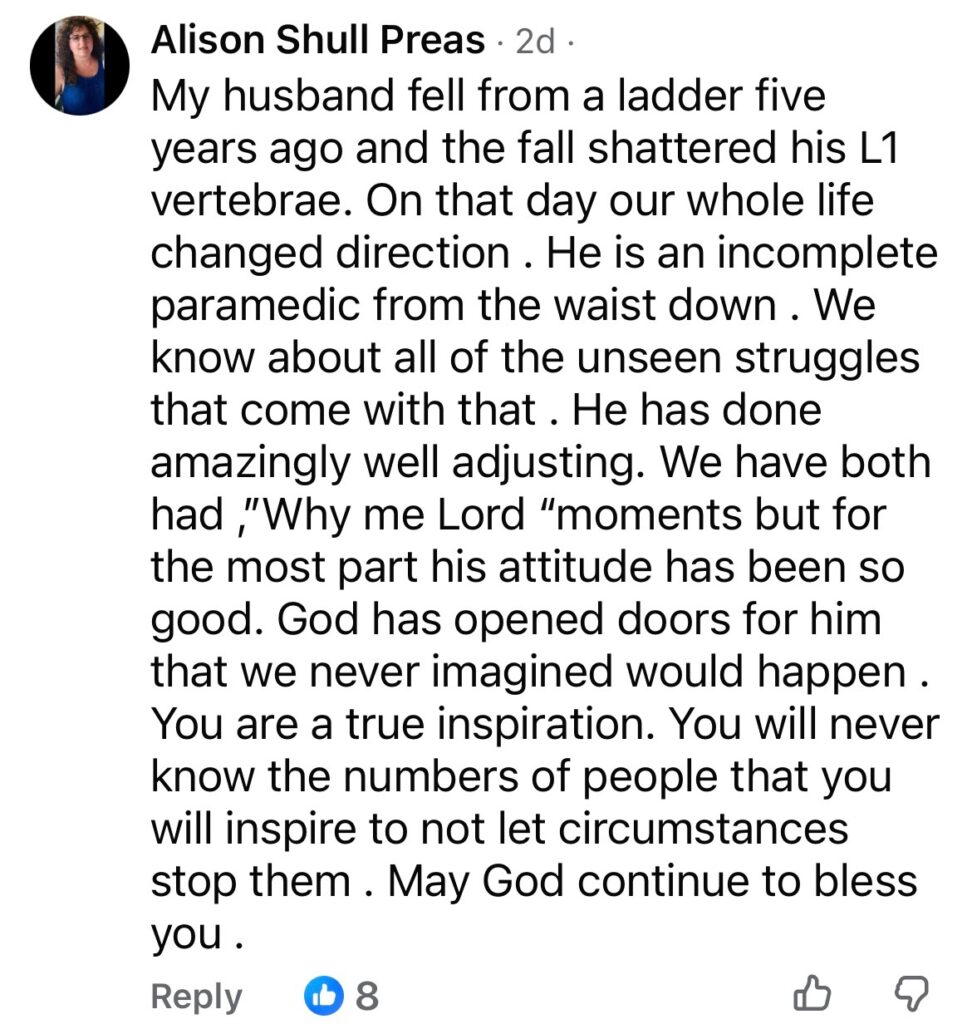
Alison Shull Preas shared that her husband shattered his L1 vertebrae after falling from a ladder, changing the course of their lives overnight. She spoke of the unseen struggles, but also of doors opening in ways they never expected.
“You are a true inspiration,”
she wrote, adding that Grace’s story reminds others not to let circumstances define the limits of their lives.
Comments like these reflect why Grace’s story continues to travel, not because it offers false hope, but because it offers honesty.
Beyond medicine, Grace is also an author. Her book, To Exist As I Am, challenges the idea that disabled people must strive to be “fixed” or “overcome” their bodies to be worthy of respect. Instead, she argues for dignity, representation, and the right to exist fully , exactly as one is.
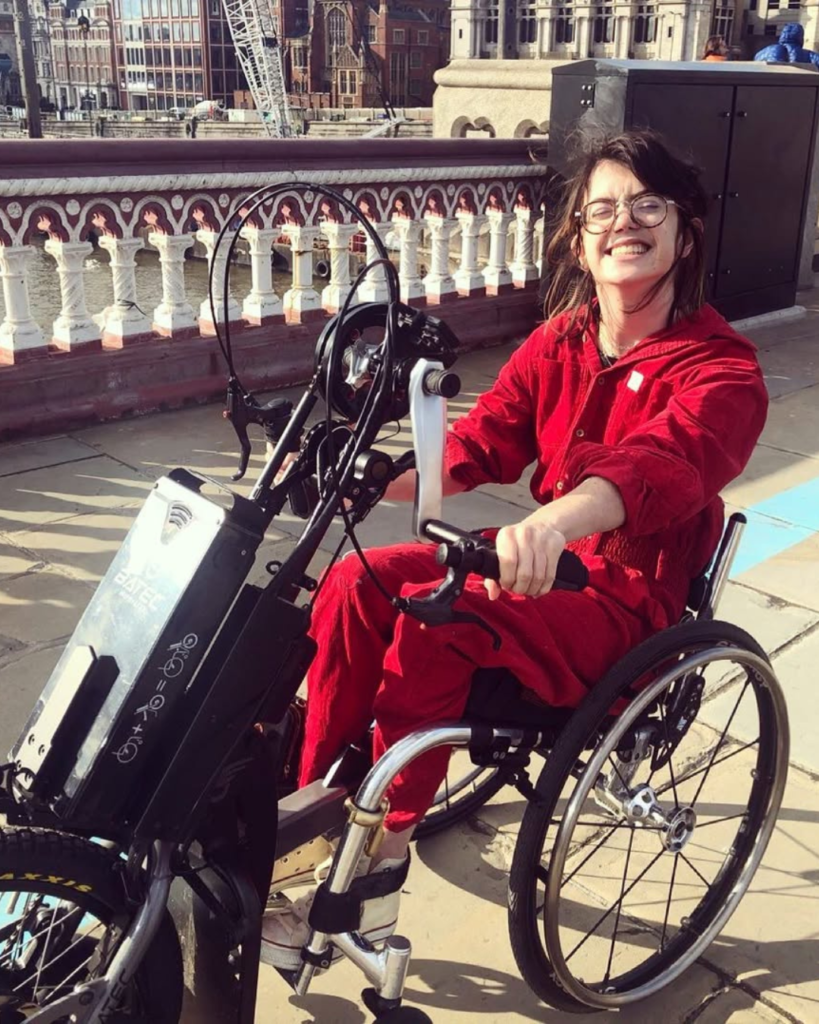
She speaks openly about her wheelchair not as a symbol of loss, but as a tool that enables independence and freedom. This reframing has been especially powerful for disabled readers who rarely see themselves reflected without pity.
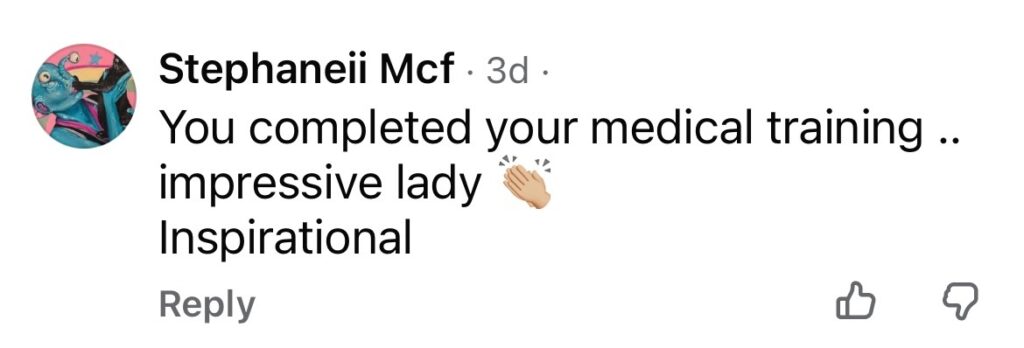
“You completed your medical training, impressive,” wrote Stephaneli McF, while others simply called her “a champion” and “an amazing woman.”
At the heart of Grace’s message is something simple, yet radical:
- Disability is not a failure
- Independence looks different for everyone
- A meaningful life does not require a “before” version to compare against
Her story has sparked conversations across Facebook, YouTube, radio, and disability advocacy spaces. Its not just about her accident, but about how society treats disabled bodies, professionals, and voices.
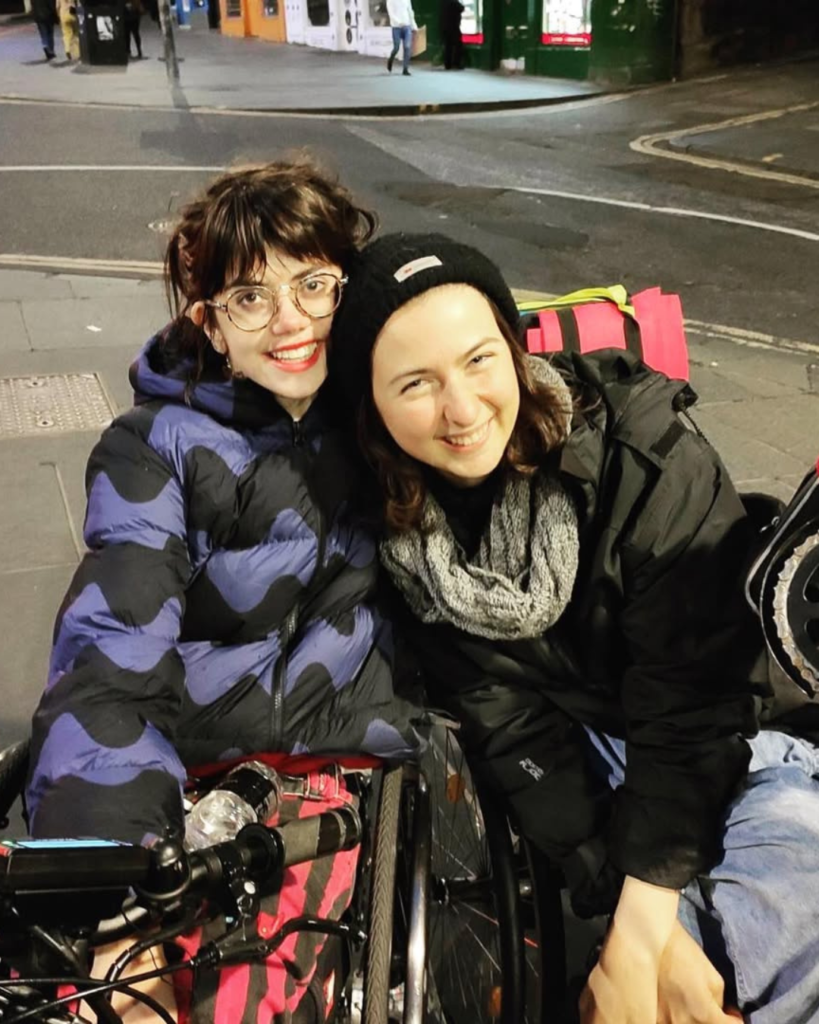
Credit: gracesg/instagram
If Grace’s journey moved you, take a moment to share her story, listen to disabled voices, and question the narratives we’ve been taught about success, recovery, and worth. Stories like Grace’s don’t just inspire , they expand empathy. For more thoughtful, human-centered stories, visit Simply Wholesome and join a community that believes every life deserves to be seen, respected, and understood.






Leave a comment