

Credit: biz_dave/Threads
Sometimes a simple curiosity turns into something much bigger than you expect.
For one man, what began as a fascination with animal intelligence and pattern recognition has turned into a viral moment that’s equal parts strange, funny, and thought-provoking.
https://www.threads.com/@biz_dave/post/DTSvEhIDory
Credit: unsplash
Key Takeaways
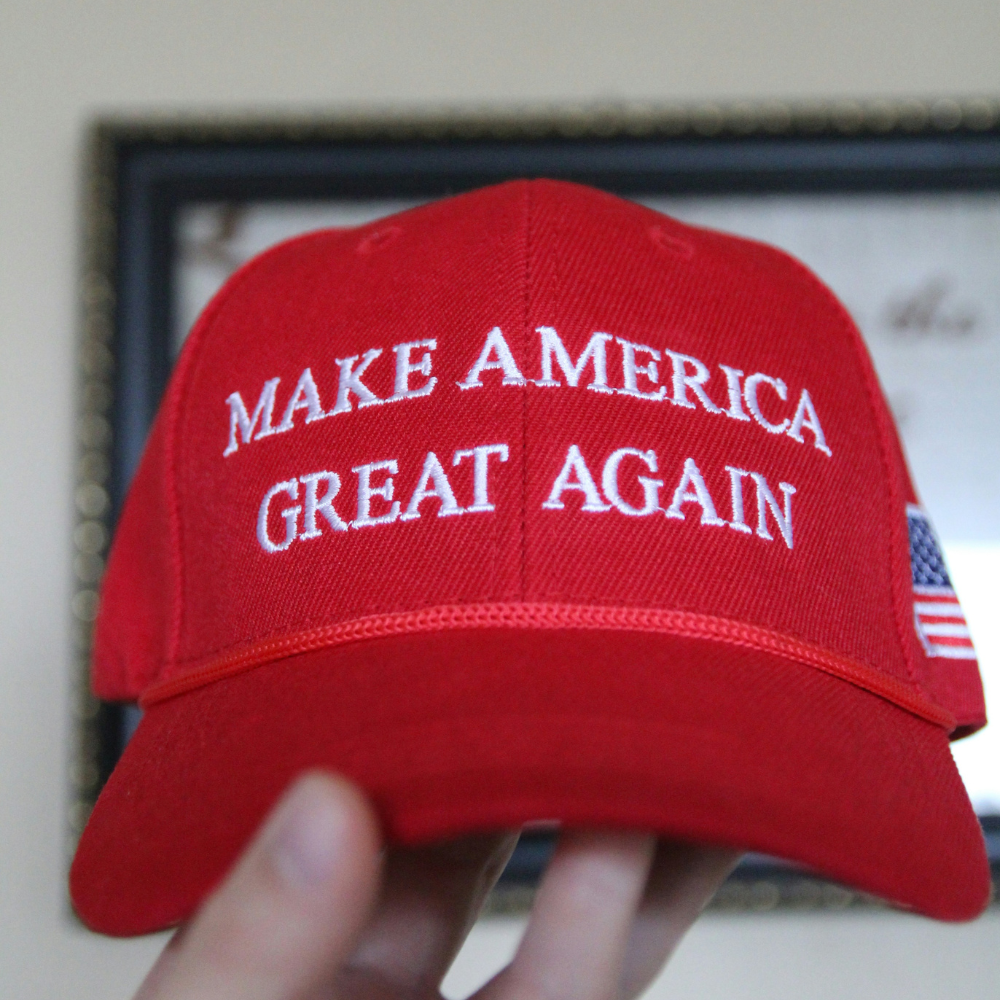
A man spent several months training crows using food rewards to associate red objects with a positive outcome, eventually leading them to remove red MAGA hats.- The experiment highlights the intelligence of crows, who are known for their memory, problem-solving abilities, and capacity to recognize patterns and faces.
- The viral response sparked debates around ethics, symbolism, protest culture, and the boundaries between humor and responsibility.
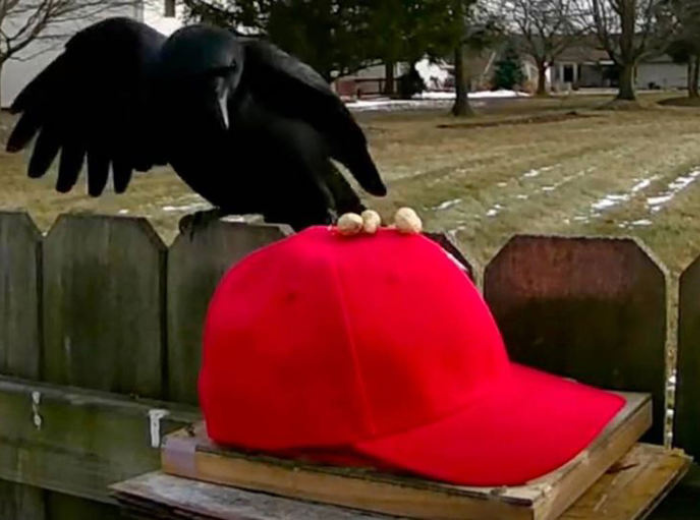
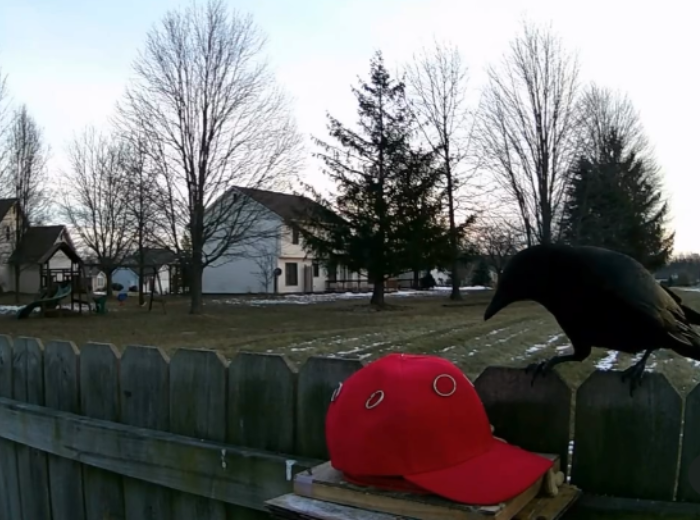
The story centers on a man who spent months patiently training local crows to interact with red objects. Over time, those red objects became unmistakable symbols: red MAGA hats. The result? Videos showing crows swooping down, tugging at hats, and flying off with them, all in exchange for a food reward. The internet quickly took notice.
This wasn’t a random act of chaos. The man behind the experiment documented a long, careful process rooted in positive reinforcement. He began by feeding the crows consistently, earning their trust and encouraging them to return daily. Once the birds felt safe, he introduced red containers covering food, teaching them that moving or lifting red items led to a reward. Gradually, those containers evolved into hats, visually similar enough for the birds to apply what they had learned.
What makes the story resonate isn’t just the shock value. It’s the way it reflects modern life. Politics today often revolves around symbols, hats, slogans, and colors that carry emotional weight far beyond their physical form. By targeting a symbol rather than a person, the experiment landed somewhere between satire and social commentary, whether intentionally or not.
The crows, of course, have no political allegiance. They aren’t making statements or choosing sides. They’re responding to training, instinct, and reward. That contrast between human interpretation and animal logic is part of what makes the story so compelling. People see protest, mockery, or provocation. The birds see food.
Reactions online were swift and divided. Some viewers laughed, calling it one of the most absurd and creative moments they’d seen online in years. Others were uncomfortable, questioning whether it was appropriate to involve wild animals in human political expression at all. A quieter group saw it as a reminder of how powerful conditioning and symbolism can be, not just for animals, but for people too.
What’s undeniable is the patience behind the process. Training wild crows is not a quick task. It requires consistency, respect for the animals’ boundaries, and a deep understanding of how they learn. The fact that the experiment took months challenges the idea that it was done purely for viral attention. It suggests curiosity, experimentation, and a willingness to observe rather than force outcomes.
The story also raises bigger questions. Where do we draw the line between creative expression and ethical responsibility? Is humor harmless if it makes people uncomfortable? And how much meaning do we project onto objects and actions that, on their own, are neutral?
Credit: biz_dave/Threads
In many ways, the crow experiment acts as a mirror. It shows how quickly we assign intention, outrage, or praise based on our own beliefs. The same video can feel empowering to one person and deeply troubling to another. The crows haven’t changed. The hats haven’t changed. Only our interpretations have.
In a digital world crowded with outrage cycles and recycled headlines, this story stood out because it was unexpected. It didn’t tell people what to think. It simply presented something unusual and let the internet do what it does best: debate, joke, criticize, and reflect.
Sometimes the stories that linger aren’t the loudest or the most polished. They’re the ones that sit in an uncomfortable gray space, asking us to think a little deeper about symbolism, intention, and how easily meaning can be taught, transferred, or misunderstood.
If stories like this, stories that explore human behavior, curiosity, and the strange intersections of culture and nature, make you pause and reflect, you’ll feel right at home at Simply Wholesome. Our platform is dedicated to sharing uplifting, thought-provoking, and quietly powerful stories that remind us how complex, fascinating, and interconnected life really is. Visit Simply Wholesome to discover more stories that matter, long after the headlines fade.












Leave a comment